 English
 Español
 Deutsch
 日本語
日本語 中文简体
中文简体Ultimate All-Weather Protection: IP67 Waterproof & Dustproof Auto Tail Lamps
Home / News / Industry News / Ultimate All-Weather Protection: IP67 Waterproof & Dustproof Auto Tail Lamps



Our team is proud to offer on time guarantee and product guarantee to customer satisfaction.
Read More
Content
For any vehicle enthusiast, from the daily commuter to the weekend adventurer, the integrity of your car's lighting system is non-negotiable. It's a critical safety feature and a key component of your vehicle's functionality. Among these, auto tail lamps play a pivotal role in ensuring you are visible to other drivers in low-light conditions, bad weather, or when braking. However, not all tail lights are created equal. Standard lamps can succumb to the elements, leading to fogging, water damage, and eventual failure. This is where the superior engineering of waterproof and dustproof auto tail lamp units comes into play. Specifically, those boasting an IP67 rating represent the pinnacle of durability and reliability. This article delves deep into the world of these resilient lighting solutions, exploring their technology, benefits, and why they are an essential upgrade for any vehicle subjected to the rigors of the real world.
The term IP67 is not just marketing jargon; it's an internationally recognized standard defined by the International Electrotechnical Commission (IEC) under the standard IEC 60529. This Ingress Protection (IP) code classifies the degree of protection provided against the intrusion of solid objects (like dust) and liquids. The first digit, '6', signifies the highest level of dust protection, meaning the unit is entirely dust-tight and no dust can enter even under a vacuum. The second digit, '7', indicates protection against the effects of immersion in water between 15 centimeters and 1 meter for up to 30 minutes. For an auto tail lamp, this rating is transformative. It means that whether you're driving through a torrential downpour, a blinding sandstorm, or even forging a shallow stream, the internal components of your tail light are hermetically sealed from these harmful elements. This level of protection ensures consistent performance and longevity, eliminating common issues like internal condensation that can obscure the light output and compromise safety. It's the definitive assurance that your lights are built to withstand the unexpected challenges of any journey.
Investing in a high-quality waterproof LED tail light is one of the most impactful upgrades you can make for your vehicle's safety and durability. The benefits extend far beyond simply avoiding a failed lamp during a rainstorm. Firstly, the most significant advantage is the unparalleled enhancement in safety. Your brake lights and turn signals are your primary means of communication with drivers behind you. A compromised light can lead to misinterpretation or a complete lack of signaling, drastically increasing the risk of rear-end collisions. A waterproof unit guarantees that this communication channel remains open, regardless of weather. Secondly, the financial benefit is clear. While the initial investment might be higher than a standard lamp, the long-term savings are substantial. You eliminate the recurring cost of replacements due to water damage and reduce the need for frequent maintenance checks. Furthermore, for those who value their vehicle's aesthetics, these modern units often feature advanced lighting technology like LEDs, which offer a brighter, more instantaneous light and a sleeker, more modern look that can enhance the overall appearance of your vehicle.
Understanding the fundamental differences between a standard OEM-style tail light and a dedicated waterproof and dustproof auto tail lamp is crucial for making an informed decision. Standard lights are designed to meet general safety requirements under normal driving conditions. They are typically not hermetically sealed, relying on vents or basic gaskets to equalize pressure and manage minor moisture. This makes them vulnerable. Over time, these seals can degrade, and vents can allow fine dust and water vapor to enter, leading to the common problem of internal fogging. In contrast, a purpose-built waterproof light is engineered from the ground up to be a sealed unit. The housing, lens, and connector are all designed with impermeability in mind, using high-quality materials like silicone gaskets and ultrasonic welding to create a permanent bond. The internal components are also often upgraded to be more resilient to any potential environmental changes that might occur within the seal. This isn't just a minor improvement; it's a complete redesign for resilience.
| Feature | Standard Tail Light | IP67 Waterproof Tail Light |
| Dust Protection | Minimal (e.g., IP5X) | Complete (IP6X Dust-tight) |
| Water Protection | Resists light splashes (e.g., IPX4) | Withstands immersion up to 1m (IPX7) |
| Risk of Internal Fogging | High, especially with temperature changes | None, due to hermetically sealed design |
| Typical Bulb Type | Incandescent or basic LED | Advanced, high-lumen LED arrays |
| Lifespan | Shorter, prone to failure from moisture | Significantly longer, designed for durability |
| Ideal Use Case | Paved road driving in fair climates | All-weather, off-road, and extreme driving |
Selecting the right waterproof LED tail light assembly requires careful consideration of several factors to ensure a perfect fit and optimal performance. The process is more involved than simply picking the first option you see. Start by confirming compatibility. This is the most critical step. Check the make, model, year, and body style of your vehicle against the product specifications. An incompatible light will not fit correctly, potentially leaving gaps that defeat the purpose of a waterproof seal. Next, scrutinize the IP rating. While IP67 is the gold standard for this application, some may offer a lower rating like IP65, which is resistant to water jets but not immersion. For ultimate peace of mind, insist on IP67. Then, evaluate the light source. LED technology is overwhelmingly the best choice for aftermarket waterproof tail lights. Look for lamps that use high-quality LED chips for brighter, faster illumination and lower energy draw compared to outdated incandescent bulbs. Finally, consider the design and build quality. A robust housing made from polycarbonate or another durable material will resist yellowing and cracking from UV exposure. Also, check that the wiring harness and connectors are of high quality to ensure a reliable and safe electrical connection.
Installing a new set of waterproof LED tail lights is generally a straightforward DIY project that can be completed with basic tools. However, the process can vary slightly depending on your vehicle's design. The first step is always to disconnect the negative terminal of your vehicle's battery to prevent any electrical shorts or shocks. Next, you'll need to gain access to the back of the tail light assembly. This is usually done from inside the trunk or cargo area by removing a plastic cover or trim panel. Once accessed, you will find the wiring harness connected to the old assembly. Disconnect this harness by pressing the release tab and pulling it apart. Then, remove the bolts or nuts that secure the assembly to the vehicle's body. These are typically located around the perimeter of the light. With the fasteners removed, you can carefully pull the old assembly straight out. Before installing the new IP67 rated auto lamp, compare it to the old one to ensure it matches. Place the new light into position, secure it with the provided fasteners, reconnect the wiring harness until it clicks into place, and finally, reattach the battery terminal. Test all functions (parking light, brake light, turn signal) before reassembling any trim panels to confirm everything works correctly.
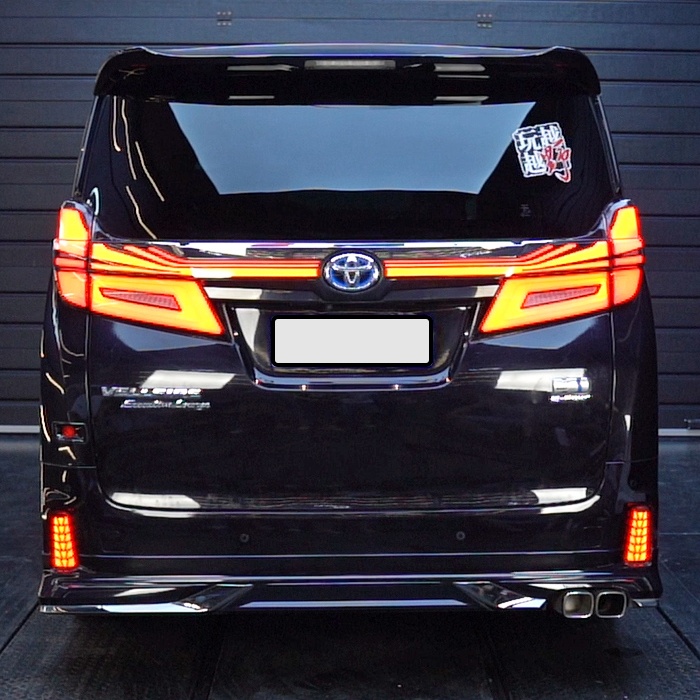
The IP rating is a two-digit code where each digit signifies a specific level of protection. For tail lights, the second digit (water resistance) is most critical. An IP65 rating means the light is protected against low-pressure water jets from any direction, making it suitable for heavy rain and car washes. IP66 offers protection against powerful water jets, which is even more resilient. However, IP67 waterproof and dustproof auto tail lamp units are superior because the '7' denotes protection against temporary immersion in water (up to 1 meter for 30 minutes). This makes IP67 the ideal choice for off-road enthusiasts who may encounter deep water crossings or for any driver who wants the absolute highest assurance against water damage from flooding or submerged roads.
While there are aftermarket sealant tapes and gels marketed to improve weather resistance, it is nearly impossible to reliably achieve a true IP67-level seal on a factory tail light that was not designed for it. These lights often have vents for pressure equalization, and their housings are not designed to be hermetically sealed. Applying external sealants can sometimes trap moisture inside or damage the housing. For guaranteed, reliable protection, replacing the entire assembly with a purpose-built waterproof LED tail light assembly is highly recommended. This ensures every component, from the lens seal to the connector gasket, is engineered to work together to keep elements out.
Yes, absolutely. Internal condensation, or fogging, occurs when moist air enters the light housing and then condenses on the inside of the cooler lens. A genuine IP67 rated auto lamp is hermetically sealed during manufacturing, meaning no external air (and thus no moisture) can enter the unit. Therefore, condensation cannot form inside the lamp. If you see condensation inside a light that claims to be waterproof, it indicates a breach in the seal, and the unit should be inspected or replaced to restore its protective qualities.
Yes, LED technology is inherently better suited for waterproof and dustproof environments for several reasons. Firstly, LEDs are solid-state devices with no fragile filaments, making them more resistant to vibrations and impacts—common in off-road driving. Secondly, they generate significantly less heat than incandescent bulbs. Excessive heat can create pressure changes inside a sealed unit, potentially stressing seals over time. The lower operating temperature of LEDs minimizes this risk. Finally, LEDs have a much longer lifespan, which complements the durable nature of a waterproof housing, creating a lighting solution built to last for years without maintenance.

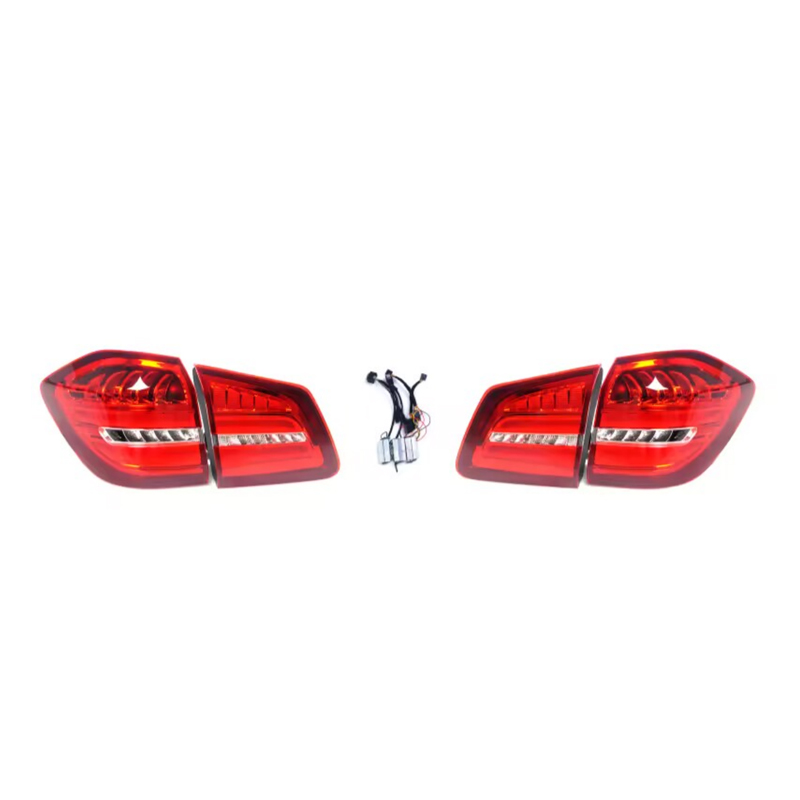
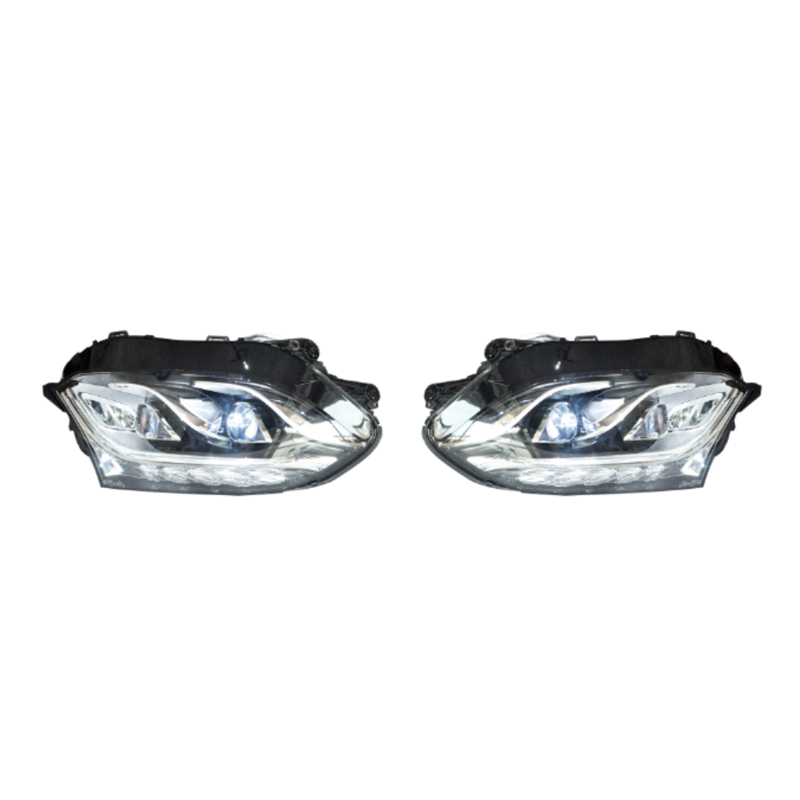

If you are interested in our products, please consult us
No.280, Xincun, DongJia Village, Menghe Town, Xinbei District, Changzhou, Jiangsu, China.
+86-13915098651
+86-18068774710
+86-18068791866
+86-519-68885718
Changzhou Xinkai auto parts Co., Ltd. All Rights Reserved. Custom Automotive Exterior Accessories Manufacturers
