 English
 Español
 Deutsch
 日本語
日本語 中文简体
中文简体Unlocking Performance: How Modern Toyota Bodykit Innovations Enhance Aerodynamics
Home / News / Industry News / Unlocking Performance: How Modern Toyota Bodykit Innovations Enhance Aerodynamics



Our team is proud to offer on time guarantee and product guarantee to customer satisfaction.
Read More
Content
The automotive aftermarket industry has witnessed significant advancements in body kit technology, particularly in how these modifications impact vehicle aerodynamics. Modern body kits are no longer just about aesthetic enhancements; they play a crucial role in improving vehicle performance, stability, and efficiency. This comprehensive guide explores the latest innovations in body kit design and engineering, focusing specifically on how these developments benefit vehicle owners seeking both performance and style upgrades.
When considering body kit modifications, many owners prioritize improvements in fuel efficiency. Modern aerodynamic body kits are engineered to reduce drag coefficients significantly, which directly translates to better fuel economy. The relationship between aerodynamic design and fuel consumption is well-established in automotive engineering, with reduced air resistance meaning the engine requires less power to maintain speed, particularly at highway velocities.
The effectiveness of these components can be measured through both computational fluid dynamics (CFD) testing and real-world driving conditions. When comparing standard vehicles to those equipped with optimized body kits, the differences become apparent across multiple performance metrics. The following comparison illustrates how specific aerodynamic components contribute to fuel efficiency improvements:
| Component | Drag Reduction | Estimated Fuel Efficiency Improvement | Optimal Speed Range |
|---|---|---|---|
| Front Air Dam | 5-8% | 2-4% | 50-70 mph |
| Side Skirts | 3-6% | 1-3% | 40-80 mph |
| Rear Spoiler | 4-7% | 2-3% | 60-90 mph |
| Integrated Diffuser | 6-9% | 3-5% | 55-85 mph |
It's important to note that these improvements are cumulative, meaning a full body kit installation can provide substantial overall benefits. Toyota bodykit for fuel efficiency typically incorporates all these elements in a cohesive design that works harmoniously with the vehicle's original aerodynamic profile. Professional installation and proper alignment are crucial to achieving these efficiency gains, as even minor misalignments can create unexpected turbulence and negate the intended benefits.
Finding quality installation services for aerodynamic body kits requires careful consideration of several factors. While many enthusiasts search for affordable Toyota bodykit installation near me, it's crucial to balance cost considerations with quality workmanship. Professional installation ensures that all components are properly aligned and secured, which is essential for both aerodynamic performance and safety.
The cost of installation can vary significantly based on several factors, including the complexity of the kit, the specific vehicle model, and regional labor rates. Understanding these variables helps owners make informed decisions when budgeting for their modifications. The table below outlines typical installation considerations and their impact on overall project cost:
| Installation Factor | Low Complexity | Medium Complexity | High Complexity |
|---|---|---|---|
| Labor Hours Required | 8-12 hours | 12-20 hours | 20-30+ hours |
| Specialized Tools Needed | Basic hand tools | Alignment equipment | Custom fabrication tools |
| Typical Cost Range | $500-$900 | $900-$1,800 | $1,800-$3,000+ |
| Additional Services Often Required | Basic alignment check | Paint matching | Structural modifications |
Beyond the initial installation cost, owners should consider long-term value. A properly installed aerodynamic body kit not only enhances vehicle performance but can also contribute to resale value when maintained properly. The key is finding installers who understand both the technical and aesthetic aspects of body kit installation, ensuring the final result looks factory-original while delivering the promised aerodynamic benefits.
For enthusiasts seeking more dramatic transformations, custom Toyota widebody kit options offer both aesthetic appeal and functional advantages. Widebody kits extend the vehicle's track width, allowing for larger wheels and tires while simultaneously managing airflow around the wheel wells more effectively. This approach to vehicle modification represents the intersection of form and function, where visual impact meets measurable performance gains.
The decision to pursue a widebody conversion involves careful consideration of both the benefits and compromises. While the performance advantages are significant, owners must acknowledge the practical implications of increased vehicle width. The following comparison highlights key considerations when evaluating widebody options against standard aerodynamic kits:
| Performance Metric | Standard Body Kit | Widebody Conversion | Performance Difference |
|---|---|---|---|
| Lateral G-Force Capability | 0.85-0.90g | 0.95-1.05g | 10-20% improvement |
| High-Speed Stability | Moderate improvement | Significant improvement | 25-40% better |
| Installation Complexity | Moderate | High | 2-3x more complex |
| Cost Impact | 15-25% of base kit cost | 40-60% of base kit cost | 2-3x higher |
Modern widebody kits have evolved from their racing origins to become more refined and street-friendly. Current designs focus on integrating with factory body lines while providing genuine aerodynamic benefits. The most successful widebody implementations maintain drivability for daily use while unlocking additional performance potential that becomes apparent during spirited driving or track use. The key is selecting a kit that matches both the vehicle's characteristics and the owner's performance goals.
The debate between OEM and aftermarket components is particularly relevant when discussing aerodynamic enhancements. A thorough OEM vs aftermarket Toyota bodykit comparison reveals distinct advantages and considerations for each approach. Understanding these differences helps owners select the solution that best aligns with their priorities, whether those are warranty preservation, cost-effectiveness, or maximum performance gains.
Both OEM and aftermarket solutions have evolved significantly in recent years, with each category offering compelling benefits depending on the owner's specific needs. The following detailed comparison examines how these options differ across several important dimensions:
| Comparison Category | OEM Body Kits | Aftermarket Body Kits | Key Differentiators |
|---|---|---|---|
| Development Process | Extensive wind tunnel testing | CFD analysis and track testing | OEM has more validation, aftermarket more specialized |
| Material Quality | Factory-grade materials | Varied material options | OEM consistent, aftermarket offers choice |
| Fitment Precision | Guaranteed perfect fit | May require modification | OEM plug-and-play, aftermarket may need adjustment |
| Performance Focus | Balanced improvements | Specialized performance | OEM conservative, aftermarket more aggressive |
| Cost Considerations | Premium pricing | Wide price range | OEM higher cost, aftermarket more budget options |
The choice between OEM and aftermarket ultimately depends on the owner's specific goals and constraints. OEM solutions provide peace of mind through factory backing and guaranteed compatibility, while aftermarket options often deliver more significant performance gains at various price points. Increasingly, the market has seen a convergence between these categories, with some aftermarket manufacturers achieving quality levels that rival or exceed OEM standards while maintaining more competitive pricing structures.
Material selection plays a crucial role in the performance and longevity of aerodynamic body kits, with carbon fiber representing the premium option for many enthusiasts. Understanding carbon fiber Toyota bodykit durability requires examining both the material properties and real-world performance characteristics. While carbon fiber offers significant advantages in weight reduction and stiffness, its long-term durability under various conditions merits careful consideration.
The durability of carbon fiber components depends heavily on manufacturing quality, resin formulation, and protective coatings. When properly manufactured and maintained, carbon fiber body kits can provide exceptional service life while delivering performance benefits that justify their premium cost. The following comparison illustrates how carbon fiber stacks up against more traditional body kit materials:
| Material Property | Carbon Fiber | Fiberglass | ABS Plastic | Polyurethane |
|---|---|---|---|---|
| Weight (relative) | 1.0x (lightest) | 1.8-2.2x | 1.5-1.8x | 2.0-2.5x |
| Impact Resistance | High (brittle failure) | Low (shatters) | Medium (flexes) | High (flexes) |
| UV Degradation | Low with clear coat | Medium | High without treatment | Medium |
| Repairability | Specialized required | Standard methods | Plastic welding | Specialized adhesive |
| Cost Factor | 3.0-5.0x | 1.0x (baseline) | 1.5-2.0x | 2.0-3.0x |
Beyond the technical specifications, real-world experience with carbon fiber body kits reveals both advantages and considerations for daily use. The material's exceptional stiffness allows for more precise aerodynamic performance with minimal deflection at high speeds, but this same characteristic can make it more susceptible to cracking under impact rather than flexing like more pliable materials. Proper installation, including appropriate mounting hardware and techniques, significantly influences the long-term durability of carbon fiber components. Regular maintenance, particularly regarding UV protection and cleaning with appropriate products, ensures these premium components maintain their appearance and structural integrity throughout their service life.
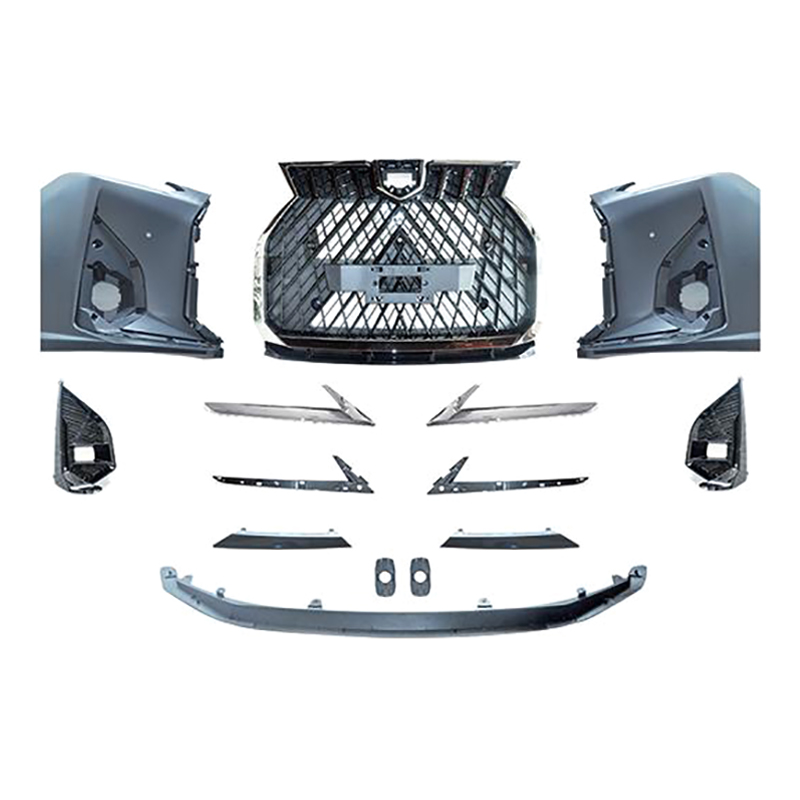
The evolution of aerodynamic body kits continues at an accelerating pace, with several emerging technologies promising to redefine their performance potential. Active aerodynamics, once the exclusive domain of high-performance vehicles, are becoming more accessible through aftermarket solutions. These systems dynamically adjust aerodynamic components based on vehicle speed, driving mode, and other parameters to optimize performance across varying conditions.
Material science continues to advance, with new composites and manufacturing methods offering improved performance characteristics at more accessible price points. The integration of aerodynamic components with other vehicle systems represents another frontier, where body kits work in concert with suspension, braking, and powertrain systems to deliver holistic performance enhancements. As these technologies mature, they promise to make advanced aerodynamic benefits available to a broader range of enthusiasts while maintaining the practical usability that makes these modifications worthwhile for both daily driving and specialized applications.


If you are interested in our products, please consult us
No.280, Xincun, DongJia Village, Menghe Town, Xinbei District, Changzhou, Jiangsu, China.
+86-13915098651
+86-18068774710
+86-18068791866
+86-519-68885718
Changzhou Xinkai auto parts Co., Ltd. All Rights Reserved. Custom Automotive Exterior Accessories Manufacturers
