


Our team is proud to offer on time guarantee and product guarantee to customer satisfaction.
Read More
Content
The selection of a Car Modification Body kit represents a critical decision point in vehicle personalization and performance tuning. For procurement specialists and workshop owners, understanding the technical nuances between different kit types, materials, and manufacturing processes is essential for making informed purchasing decisions that balance aesthetics, performance, and cost-effectiveness.
The BMW E90 platform remains one of the most popular chassis for wide body conversions. Engineering a proper wide body transformation requires careful consideration of material science, fitment tolerances, and aerodynamic principles. A widebody kit for bmw e90 must integrate seamlessly with the vehicle's existing structural architecture while providing enhanced wheel clearance and aerodynamic performance [citation:1].
The material composition of a wide body kit directly impacts its weight, durability, and installation requirements. Each material presents distinct advantages and limitations that procurement buyers must evaluate [citation:10].
| Material Type | Weight Reduction vs OEM | Impact Resistance | Cost Index | Installation Complexity |
|---|---|---|---|---|
| Carbon Fiber | 40-60% lighter | Moderate (brittle on sharp impact) | High | Professional required |
| FRP (Fiberglass) | 20-30% lighter | Good (cracks under extreme stress) | Moderate | Skilled technician |
| ABS Plastic | 10-20% lighter | Excellent (flexible) | Low-Moderate | Standard workshop |
The distinction between universal and specific fitment becomes particularly critical for the E90 chassis due to its complex multi-link suspension geometry and integrated electronic systems. A properly engineered wide body kit maintains factory crash management system functionality and parking sensor integration [citation:10].

Widebody kit for bmw e90 systems designed through CAD engineering and precision 3D scanning achieve OEM-quality fitment with consistent panel gaps and proper load distribution across mounting points [citation:1].
The phrase custom body kit installation near me represents a critical search for vehicle owners who understand that installation quality determines 50% of the final outcome. Professional installation facilities must demonstrate specific technical capabilities before handling high-value body kit components.
Proper installation follows a structured sequence that ensures structural integrity and aesthetic perfection [citation:2].
Stage One: Dry Fitment and Alignment - All components are temporarily mounted without adhesive to verify panel gaps and symmetry. This stage identifies any manufacturing tolerances requiring adjustment.
Stage Two: Surface Preparation - Proper substrate preparation ensures long-term adhesion. This includes solvent cleaning, surface abrasion, and application of appropriate adhesion promoters specific to the kit material [citation:6].
Stage Three: Precision Bonding and Mechanical Fastening - High-quality installations combine structural adhesives with mechanical fasteners at stress points. Two-part epoxy systems provide 2000+ psi bond strength when properly cured [citation:6].
Stage Four: Finishing and Paint Integration - Professional paint matching requires blending into adjacent panels for seamless color transition [citation:2].
When procurement professionals evaluate rocky auto body kits review data, they focus on quantifiable quality metrics rather than subjective opinions. Establishing a systematic evaluation protocol ensures consistent quality assessment across supplier sources.
Before committing to volume purchases, implement this inspection checklist on sample units [citation:10]:
Always verify Vehicle Identification Number (VIN) compatibility before finalizing procurement. Even within the same model platform, mid-cycle updates (LCI vs pre-LCI) may affect bumper and lighting interfaces [citation:10].
The carbon fiber body kit for tesla model 3 market has expanded significantly as electric vehicle owners seek both aesthetic enhancement and functional aerodynamic improvements. The engineering considerations for EV applications differ fundamentally from internal combustion vehicles.
Carbon fiber components offer significant weight advantages that translate directly to range improvements. A complete carbon fiber aero kit can reduce vehicle weight by 15-20 kg, potentially increasing range by 3-5% under highway driving conditions [citation:7].
The distinction between dry carbon and wet carbon processes significantly impacts product performance and cost [citation:7].
| Manufacturing Process | Fiber Volume Fraction | Tensile Strength | Cost Multiplier | Application |
|---|---|---|---|---|
| Prepreg Autoclave (Dry) | 60-65% | Highest | 3-4x | Aerospace, racing |
| Wet Layup/Vacuum Bagged | 45-55% | High | 1.5-2x | Performance street |
| Hand Layup (Standard) | 30-40% | Moderate | 1x | Show vehicles |
A properly engineered carbon fiber kit for the Model 3 delivers measurable aerodynamic improvements [citation:3]:
Front Lip Spoiler: Redirects airflow around wheel wells, reducing turbulence and improving front-end grip. CFD-optimized designs can increase downforce by 40-50 N without sacrificing ground clearance [citation:3].
Rear Diffuser Extension: Lengthens the effective diffuser surface, managing low-pressure wake and reducing drag. Testing shows drag reduction of approximately 40 N (2.4%) with corresponding downforce improvement of 534 N [citation:3].
High-Efficiency Rear Spoiler: Optimized profile delays flow separation and increases trunk pressure, improving high-speed stability [citation:3].
The debate regarding universal body kit vs specific fitment is definitively settled by engineering analysis. Specific fitment components designed through proper vehicle scanning and CAD engineering consistently outperform universal alternatives across all performance metrics [citation:1][citation:4].
| Evaluation Parameter | Universal Fitment | Specific Fitment | Engineering Impact |
|---|---|---|---|
| Panel Gap Consistency | ±3-5mm variation | ±1mm tolerance | Aesthetic quality, wind noise |
| Aerodynamic Efficiency | Unpredictable | Validated performance | Stability, efficiency |
| Installation Labor Hours | 40-80 hours | 15-25 hours | Total project cost |
| Structural Integration | Questionable | Engineered load paths | Safety, durability |
| Material Stress Distribution | Uneven | Optimized | Longevity, crack resistance |
Universal kits present fundamental engineering compromises that affect both appearance and function [citation:4]. The requirement to fit multiple vehicle platforms results in designs that lack the specific curvature matching needed for proper aerodynamic performance. Installation typically requires extensive filler work, which adds weight and creates potential points for future material failure.
Specific fitment components, conversely, are engineered using vehicle-specific scan data, ensuring that aerodynamic surfaces function as intended and structural loads distribute properly through factory mounting points [citation:1].
Changzhou XinKai auto parts Co., Ltd. operates as a comprehensive research, development, manufacturing, and sales organization specializing in professional automotive tuning solutions. The company was founded in 1999 with a registered capital of 5 million yuan. The facility is strategically located in Menghe town, Changzhou, Jiangsu, an area renowned as the Chinese motorcycle production base.
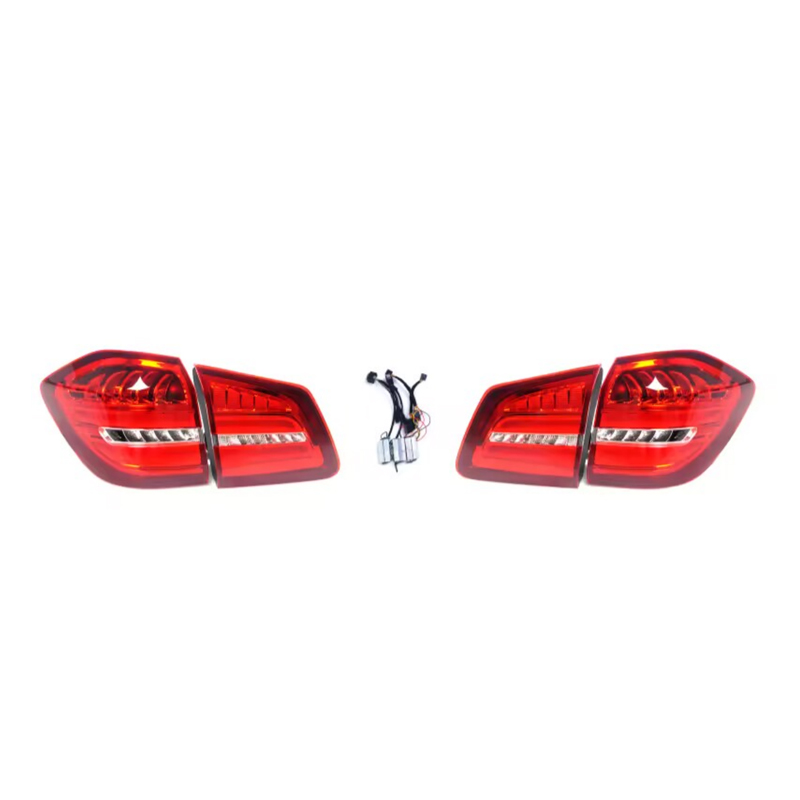
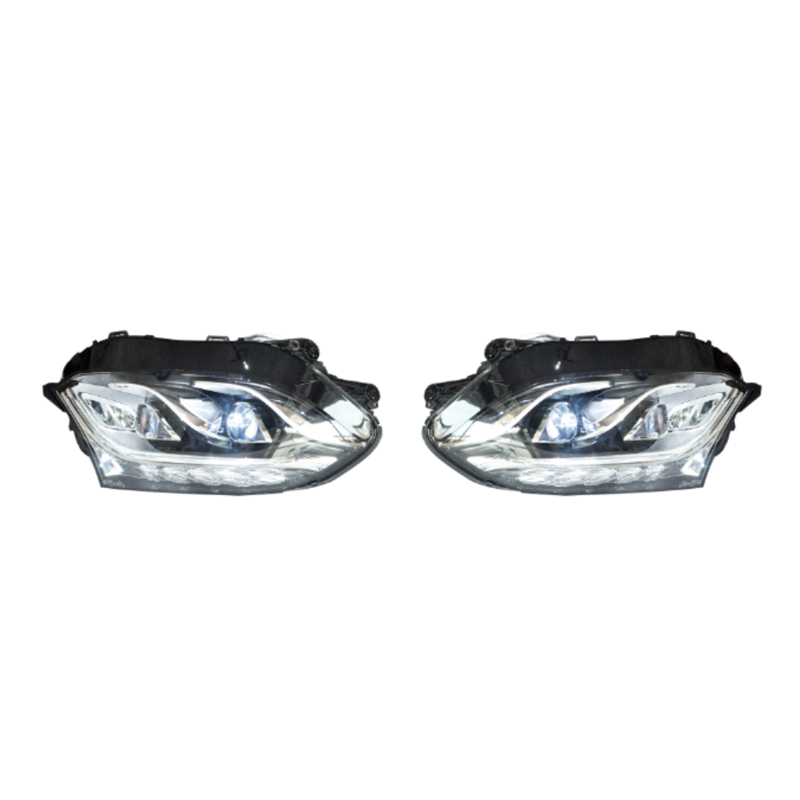
The organization functions as China Wholesale Auto Headlamp Upgrade Kit Company and OEM/ODM Auto Headlamp Upgrade Kit Suppliers. The corporate philosophy emphasizes enhancing vehicle configuration appearance while following car modification trends, resulting in continuous development of high-quality, personalized products.
With more than 10 years of accumulated experience, the company has developed a comprehensive product line covering body kits, auto lamps, front and rear bumpers, skid plates, side steps/running boards, roof racks, spoilers, grilles, decorative trim, and other series. Product applications span massive models including Chinese, Japanese, South Korean, European, and American brands.
The company currently occupies 15,000 square meters of land with 50,000 square meters of construction area, featuring comfortable and elegant office environments alongside new modern standard factory facilities. Manufacturing equipment includes large injection molding machines, blow molding machines, precision hydraulic presses, advanced four-dimensional laser cutting equipment, and large CNC machine tools.
The organization employs 82 personnel, including an elite management group and highly qualified professional design and technical teams. The technical staff includes 5 professional designers and 6 technical staff members, with college and higher education staff accounting for 19% of total employment. The company holds three registered trademarks, two utility model patents, and 76 product design patents. The organization has received three consecutive annual ratings as a high-tech enterprise in Changzhou City and implements the national standard "enterprise intellectual property management norms" within the industry. For four consecutive years, products have been covered by product liability insurance through the Chinese People's Insurance Group Limited by Share Ltd (PICC).
Consistent quality focus has generated strong reputation and significant results, with customers分布于 Southeast Asia, Middle East, North America, and Europe. Since company founding in 1999, sales have maintained sustained and stable growth. During the 2013-2015 period, the company achieved annual sales of 250,000 units (sets), with annual production capacity reaching 300,000 pieces (sets). The company brand "CXK" maintains high brand image and excellent reputation within the exterior parts industry. Personalized customized products continue receiving strong user preference.
Standard production lead times range from 4-8 weeks for FRP components and 8-12 weeks for carbon fiber parts, depending on order volume and complexity. Rush orders may be accommodated with expedited production scheduling and air freight options [citation:1].
Fitment verification requires cross-referencing your vehicle's VIN with the manufacturer's compatibility specifications. Even within the same model family, variations exist between pre-facelift and facelift versions, as well as between standard and M-sport trim levels [citation:10].
Minimum order quantities typically range from 5-10 units for standard FRP kits and 2-5 units for carbon fiber components. Container orders (20ft or 40ft) provide the most favorable pricing structures for volume procurement.
Regions with high UV exposure require materials with enhanced UV inhibitors in the resin system. Cold climate applications benefit from polyurethane or flexible FRP formulations that maintain impact resistance at low temperatures. High-humidity environments require proper gel-coat sealing to prevent moisture absorption [citation:8].
Standard export documentation includes commercial invoice, packing list, bill of lading, and certificate of origin. Many manufacturers also provide material safety data sheets and product liability insurance certificates upon request [citation:1].


If you are interested in our products, please consult us
No.280, Xincun, DongJia Village, Menghe Town, Xinbei District, Changzhou, Jiangsu, China.
+86-13915098651
+86-18068774710
+86-18068791866
+86-519-68885718
Changzhou Xinkai auto parts Co., Ltd. All Rights Reserved. Custom Automotive Exterior Accessories Manufacturers

 English
 Español
 Deutsch
 日本語
日本語 中文简体
中文简体