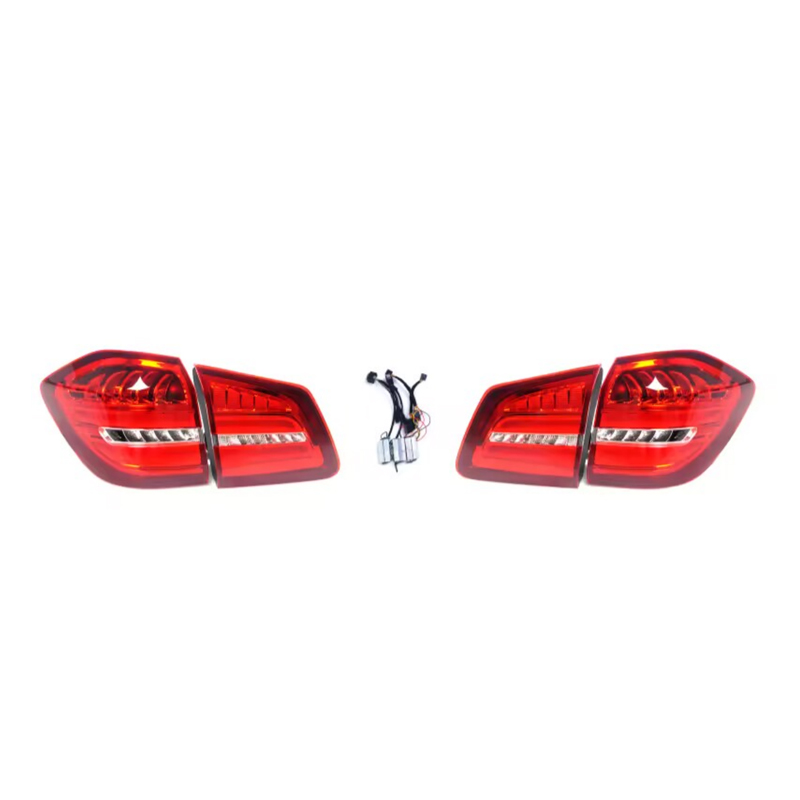
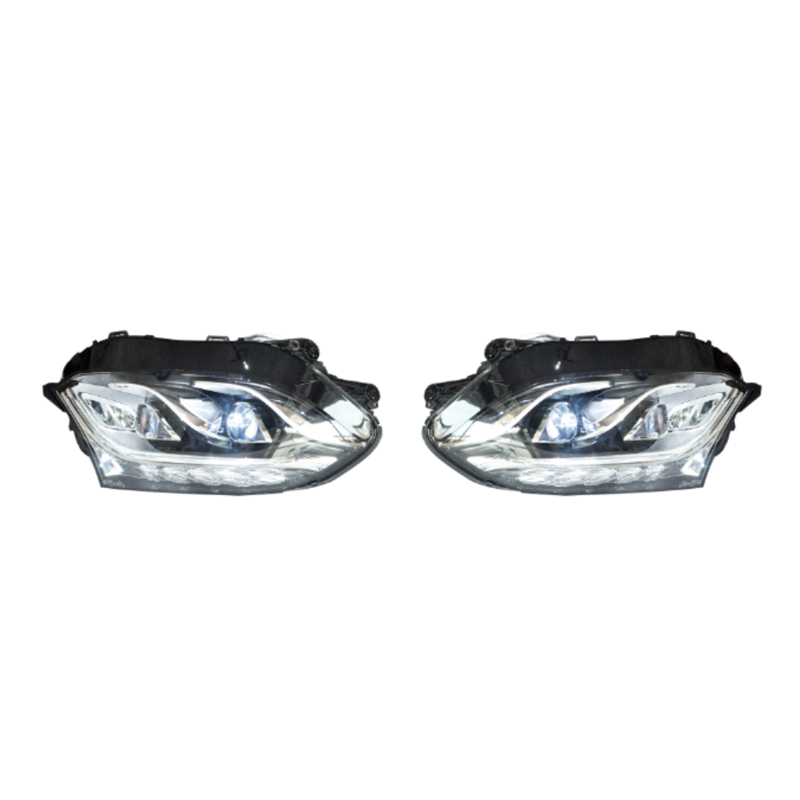
Our team is proud to offer on time guarantee and product guarantee to customer satisfaction.
Read More
Content
When a vehicle sustains damage to its exterior panels, the repair process involves one of the most critical decisions any car owner, fleet manager, or repair professional must face. The choice between Original Equipment Manufacturer parts and aftermarket alternatives shapes not only the immediate cost of the repair but also the long-term durability, safety, and resale value of the vehicle. This comprehensive comparison examines every aspect of OEM and aftermarket body parts, providing the detailed information needed to make an informed decision for any repair scenario.
The automotive body parts market has expanded dramatically over the past decade, with aftermarket components now holding over 50 percent of the market share. This growth reflects supply chain efficiency, increased diversity of available products, and competitive cost-performance ratios under specific certification systems. However, the sheer volume of options available has made the selection process more complex than ever before.
Understanding the fundamental differences between part types is essential before evaluating specific components. OEM parts are manufactured by the same companies that supplied the original components for the vehicle when it was built on the assembly line. These parts meet the exact engineering specifications, material grades, and finish standards established by the vehicle manufacturer. Aftermarket parts, by contrast, are produced by third-party manufacturers who were not part of the original supply chain but have reverse-engineered or independently developed components designed to perform the same function.
Original Equipment Manufacturer body parts represent the gold standard in automotive replacement components. These parts come from the identical supply chain that produced the original panels, brackets, and structural elements when the vehicle was first manufactured. When a manufacturer like Honda, Ford, or BMW certifies a part as OEM, it means that component was produced or approved to the same rigorous standards as what left the factory originally.
The manufacturing process for OEM body parts involves precise tooling, strict quality control protocols, and materials specified by the vehicle manufacturer. Auto manufacturers often do not produce their own sheet metal and plastic components in-house. Instead, they contract with dedicated suppliers who build to precise tolerances, material grades, and finish standards. These suppliers maintain the same dies, molds, and production equipment used for original assembly, ensuring consistency across every unit produced.
OEM parts carry the manufacturer's warranty and are designed to integrate seamlessly with all vehicle systems. This integration is particularly critical for components located near Advanced Driver Assistance Systems sensors, where even minor deviations in panel alignment can affect sensor performance and calibration. The warranty backing provides peace of mind that the part will perform as expected throughout its service life.
Aftermarket body parts encompass a vast and varied category of replacement components produced by companies outside the original equipment supply chain. These parts perform the same function as OEM components but are manufactured by third-party companies using their own tooling, materials, and quality standards. The aftermarket industry ranges from highly reputable manufacturers who produce parts meeting or exceeding OEM specifications to lower-quality operations where consistency and fitment remain significant concerns.
The quality spectrum within the aftermarket is exceptionally broad. Some aftermarket manufacturers invest heavily in research and development, use 3D scanning technology to replicate OEM dimensions precisely, and subject their products to rigorous testing. Other producers prioritize cost reduction above all else, potentially compromising on material quality, dimensional accuracy, or corrosion protection. This variability means that aftermarket parts cannot be evaluated as a single category; each manufacturer and even each product line must be assessed individually.
Certification programs exist to help buyers identify higher-quality aftermarket components. Parts that carry certifications from recognized industry organizations have undergone testing to verify they meet specific performance and safety standards. However, certification is not universal across the aftermarket, and many parts enter the market without any third-party validation.
The quality and durability of body parts directly affect how well a vehicle withstands the elements, resists corrosion, and maintains its structural integrity over time. OEM parts consistently deliver predictable, reliable performance because they are manufactured to the exact material specifications and thicknesses used in original production. The steel gauge, aluminum alloy composition, or plastic polymer grade matches what the vehicle manufacturer specified for that component.
Aftermarket quality varies dramatically between manufacturers. Premium aftermarket brands may use materials that equal or exceed OEM specifications, sometimes incorporating advanced alloys or composites that offer improved performance characteristics. Economy aftermarket parts, however, frequently use thinner gauge steel, lower-grade aluminum, or less durable plastics to reduce production costs. This material substitution can manifest in accelerated corrosion, premature cracking, or reduced structural performance in collision scenarios.
The durability of body panels also depends on the corrosion protection applied during manufacturing. OEM parts typically come with factory-applied rust-preventive coatings that match the original vehicle's corrosion protection strategy. Aftermarket parts may have inferior or inconsistent corrosion treatment, potentially leading to rust formation within months or years of installation.
The cost differential between OEM and aftermarket body parts represents one of the most significant factors in the decision-making process. OEM parts typically cost 20 to 60 percent more than comparable aftermarket alternatives. This premium reflects the manufacturer's branding, extensive testing, guaranteed compatibility, and warranty backing. For a complete panel replacement, the savings from choosing aftermarket can amount to hundreds or even thousands of dollars on a single repair.
However, the upfront cost savings of aftermarket parts must be weighed against potential additional expenses. Poorly fitting aftermarket panels may require extra labor for modification, adjustment, and test-fitting. Body shops may spend significant time shimming, grinding, or reshaping aftermarket parts to achieve acceptable panel gaps. These additional labor charges can erode or eliminate the initial cost advantage.
Furthermore, if an aftermarket part fails prematurely or does not perform as expected, the replacement cost may be incurred twice. Inferior corrosion protection may lead to rust repair within a few years, while poor fitment may cause wind noise, water leaks, or accelerated wear on adjacent components. The total cost of ownership for aftermarket parts can sometimes exceed that of OEM components when these factors are considered.
Fitment represents perhaps the most visible difference between OEM and aftermarket body parts. OEM components are manufactured using the same dies and molds as the original production parts, ensuring that every mounting point, contour, and edge matches the vehicle's specifications precisely. Panel gaps typically measure between 3 and 5 millimeters for most vehicles, and OEM parts consistently achieve these tolerances without modification.
Aftermarket fitment varies widely based on the manufacturer's tooling and quality control processes. Premium aftermarket producers invest in 3D scanning technology to replicate OEM dimensions accurately, producing parts that approach or match factory fitment. Lower-cost producers may use less precise methods, resulting in panels that require significant adjustment during installation.
The finish quality of body parts also differs significantly. OEM panels arrive with a surface finish optimized for paint adhesion, requiring minimal preparation before painting. Aftermarket parts, particularly fiberglass components, may require extensive prep work including gel coat repair, pinhole filling, and multiple rounds of priming and sanding before paint can be applied. These preparation requirements add labor time and cost to the repair process.
Safety represents the most critical consideration when selecting body parts, particularly for structural components that affect crash performance. OEM parts are crash-tested as part of the vehicle's original safety certification, ensuring they perform as designed in collision scenarios. These parts are engineered to manage crash energy in specific ways, directing forces through the vehicle's structure to protect occupants.
Some aftermarket parts do not undergo the same level of safety testing or may not meet the same performance standards as OEM components. Structural parts such as fender aprons, radiator supports, and frame rails are particularly critical because they affect how the vehicle absorbs and distributes impact energy. Using aftermarket structural components that do not meet OEM specifications could compromise the vehicle's crash performance in future collisions.
Non-structural body panels such as fenders, hoods, and doors have less impact on occupant safety but still affect how the vehicle performs in crashes. These panels contribute to the overall structural integrity of the vehicle body and can influence how crash forces are transmitted through the unibody structure. The thickness and strength of the material used in these panels directly affects their energy-absorbing capabilities.
OEM parts typically come with comprehensive warranty coverage from the vehicle manufacturer. This warranty often includes lifetime protection on structural components and extended coverage on other parts. The manufacturer's backing provides assurance that if the part fails or exhibits defects, the replacement cost will be covered.
Aftermarket warranties vary widely by manufacturer and product. Some premium aftermarket brands offer warranties comparable to OEM coverage, while economy brands may provide limited protection or no warranty at all. The claims process for aftermarket warranties can also be more complex, requiring coordination between the parts supplier, the body shop, and sometimes the vehicle owner.
Support for installation and technical questions also differs between OEM and aftermarket channels. OEM parts distributors typically have access to factory technical documentation and can provide guidance on proper installation procedures. Aftermarket suppliers may offer limited technical support, leaving installers to rely on general knowledge or manufacturer-specific resources that may not address the unique characteristics of aftermarket parts.
Insurance companies often influence the choice between OEM and aftermarket parts through their claims processes and repair guidelines. Many insurers specify aftermarket parts on standard claims to control costs. This practice is particularly common for non-structural components where the perceived risk of using aftermarket parts is lower.
Some states have laws protecting vehicle owners' rights to choose OEM parts for repairs. These laws may require insurers to cover the cost difference between OEM and aftermarket parts when the vehicle is still under warranty or when the owner specifically requests OEM components. Understanding these protections can help vehicle owners exercise their rights during the claims process.
The insurance industry's preference for aftermarket parts has driven the growth of the aftermarket body parts sector. Manufacturers have responded by improving quality and fitment to meet insurer requirements, leading to a broader range of certified aftermarket options that meet established standards.
The decision between OEM and aftermarket body parts depends on several factors specific to each repair scenario. Vehicle age represents a significant consideration. For newer vehicles still under factory warranty, OEM parts typically offer the best value despite their higher cost. The warranty protection and guaranteed fitment justify the premium, particularly when resale value is a concern.
For older vehicles with significant depreciation, aftermarket parts may represent a more cost-effective solution. The lower upfront cost can make the difference between repairing the vehicle and declaring it a total loss. However, even for older vehicles, safety-critical components should receive careful evaluation regardless of the part source.
The specific component being replaced also influences the decision. Structural parts, components near safety systems, and panels that significantly affect vehicle appearance merit greater investment in quality. Non-structural parts in less visible locations may be suitable candidates for aftermarket replacement, particularly when certified options are available from reputable manufacturers.
The reputation of the aftermarket manufacturer matters enormously. Established brands with certification and positive industry reviews offer greater assurance of quality and fitment than unknown or economy producers. Researching the manufacturer, reading reviews from other customers, and consulting with experienced repair professionals can help identify reliable aftermarket options.
| Factor | OEM Parts | Aftermarket Parts | Certified Recycled Parts |
|---|---|---|---|
| Price | 20-60% higher than aftermarket | Lowest upfront cost | Mid-range; varies by condition |
| Fit and Finish | Exact match; made by original supplier | Varies by manufacturer and certification | Matches original (same OEM part, used) |
| Warranty | Manufacturer warranty; often lifetime on structure | Limited; varies widely by supplier | Typically 30-90 days from salvage yard |
| Availability | May be limited for older or rare vehicles | Broad availability for most vehicles | Depends on local inventory and vehicle age |
| Insurance Acceptance | Requires documentation or state law protection | Preferred by most insurers on standard claims | Accepted on many claims; treated similarly to aftermarket |
| Material Quality | Meets OEM specifications | Varies from premium to substandard | Original OEM quality with wear |
| Corrosion Protection | Factory-applied coating | Varies; often inferior | Original protection with possible degradation |
The choice between OEM and aftermarket body parts involves balancing cost, quality, fitment, safety, and long-term value. OEM parts offer guaranteed compatibility, predictable quality, and comprehensive warranty coverage at a premium price. Aftermarket parts provide cost savings and broader availability but require careful evaluation to ensure quality and fitment meet expectations. Each part type has legitimate use cases, and the right choice depends on the specific vehicle, the component being replaced, and the circumstances of the repair.
For buyers and repair professionals alike, understanding these differences enables informed decisions that balance immediate costs against long-term value. Researching manufacturers, verifying certifications, and consulting with experienced professionals can help identify the best option for any repair scenario. Whether choosing OEM precision or aftermarket value, the goal remains the same: restoring the vehicle to safe, reliable, and aesthetically pleasing condition.
No. While many aftermarket parts are manufactured to lower cost points, premium aftermarket brands produce components that meet or exceed OEM specifications. The quality varies significantly between manufacturers, so each product and brand must be evaluated individually. Certified aftermarket parts that carry industry certifications offer greater assurance of quality.
Using aftermarket parts does not automatically void a vehicle's warranty. However, if an aftermarket part causes damage to another component or contributes to a failure, the manufacturer may deny warranty coverage for that specific issue. The Magnuson-Moss Warranty Act protects consumers from blanket warranty voiding due to aftermarket parts use.
OEM panels typically have manufacturer logos, part numbers, and certification markings stamped or molded into the component. Aftermarket parts may lack these identifiers or have different markings. Visual inspection of fitment, material thickness, and corrosion protection can also provide clues. Consulting fitment guides and manufacturer documentation helps verify part authenticity.
Insurance companies prefer aftermarket parts primarily because they cost 20 to 60 percent less than OEM equivalents. Using aftermarket parts allows insurers to control claim costs while still completing necessary repairs. Some insurers have established relationships with aftermarket suppliers that provide consistent quality at competitive prices.
OEM parts should be prioritized for newer vehicles still under factory warranty, vehicles with Advanced Driver Assistance Systems where sensor alignment is critical, structural components that affect crash safety, and vehicles where maintaining resale value is important. For older vehicles or non-structural components, aftermarket parts may offer acceptable quality at lower cost.
If you are interested in our products, please consult us
No.280, Xincun, DongJia Village, Menghe Town, Xinbei District, Changzhou, Jiangsu, China.
+86-13915098651
+86-18068774710
+86-18068791866
+86-519-68885718
Changzhou Xinkai auto parts Co., Ltd. All Rights Reserved. Custom Automotive Exterior Accessories Manufacturers

English
Español
Deutsch
日本語
中文简体