


Our team is proud to offer on time guarantee and product guarantee to customer satisfaction.
Read More
Content
Driving at night or in poor weather conditions demands optimal visibility for safety. While most cars come equipped with standard halogen headlights, advancements in lighting technology offer significantly superior alternatives. An Auto Headlamp Upgrade Kit provides a powerful solution, transforming your vehicle's illumination from adequate to exceptional. This comprehensive guide explores the critical considerations for any driver contemplating this popular modification. We'll delve into the core debate of HID vs LED headlight conversion kit comparison, provide a detailed walkthrough on how to install auto headlamp upgrade kit at home, and identify the best auto headlamp upgrade kit for night driving based on performance metrics. Furthermore, we address practical concerns such as can auto headlamp upgrade kit void car warranty and extend the discussion to complementary lighting like an Auto Headlamp Upgrade Kit for fog lights installation. Whether you're seeking enhanced safety, a modern aesthetic, or better performance, understanding the technology, installation process, and legal implications is crucial. This article aims to be your definitive resource, empowering you to make an informed decision for a brighter and safer driving experience.
The first and most significant decision in upgrading your headlights is choosing between HID (High-Intensity Discharge) and LED (Light-Emitting Diode) technologies. Both represent a massive leap over traditional halogen bulbs in terms of brightness, efficiency, and lifespan, but they function on entirely different principles. HID kits, often called xenon lights, create light by passing an electrical arc through a gas-filled chamber, producing a very intense, broad-spectrum light. LED kits, on the other hand, use semiconductors to emit light when an electrical current passes through them. This fundamental difference leads to variations in performance characteristics such as startup time, heat generation, beam pattern quality, and long-term durability. A thorough HID vs LED headlight conversion kit comparison is essential to match the technology to your specific driving needs, vehicle compatibility, and budget.
HID kits require several components: bulbs, ballasts (which provide the high voltage to ignite the arc), and often wiring harnesses. They are known for their extremely high lumen output and a color temperature that closely resembles daylight, which can reduce eye strain.
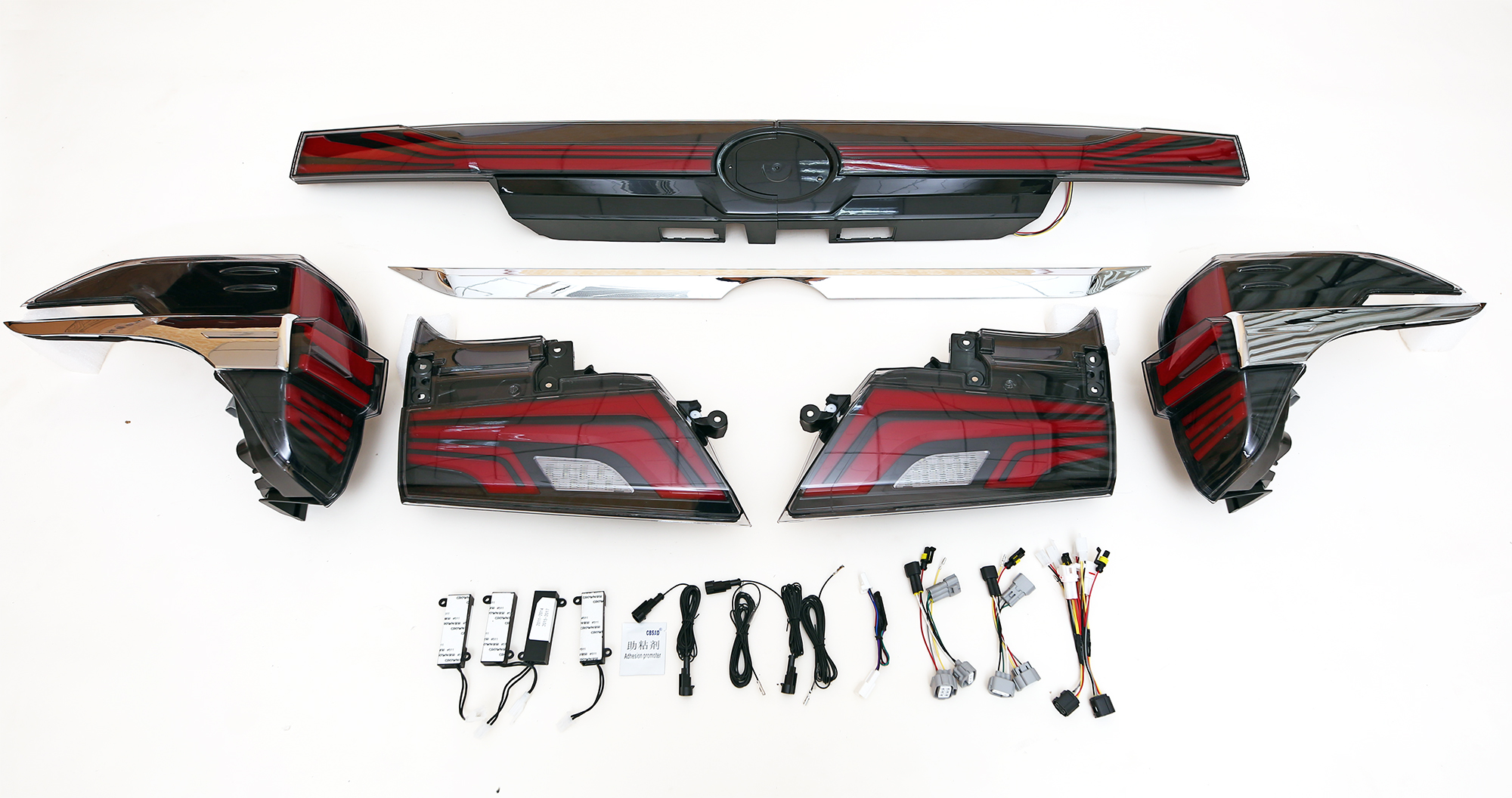
Modern LED kits integrate the LED chips, a heatsink, and a driver (to regulate power) into a single unit designed to fit halogen sockets. They are praised for their instant-on capability and energy efficiency.
| Feature | HID (Xenon) Kit | LED Kit |
| Brightness (Lumens) | Very High (3,000+ lm) | High to Very High (2,000-4,000+ lm) |
| Startup Time | Several seconds to warm up | Instant |
| Typical Lifespan | ~2,000 - 5,000 hours | ~30,000 - 50,000 hours |
| Power Consumption | Moderate (~35W per bulb) | Low (~20-30W per bulb) |
| Heat Output | High (external) | Moderate (internal, at chip) |
| Beam Pattern Control | Excellent with projectors | Variable; best with designed optics |
| Poor in reflector housings | or projectors | |
| Relative Cost | Moderate | Moderate to High |
For the hands-on car enthusiast, learning how to install auto headlamp upgrade kit at home can be a rewarding project that saves on labor costs. While the process varies between HID and LED kits and specific vehicle models, the core principles remain the same: safely replacing the old light source and integrating the new components without damaging your vehicle's electrical system. A successful installation is not just about making the lights turn on; it's about ensuring they are aimed correctly to maximize your vision without blinding other drivers. This requires patience, the right tools, and a methodical approach. Before beginning, always disconnect the vehicle's battery to prevent any electrical shorts or shocks. This section will guide you through a general step-by-step process applicable to most modern vehicles.
Selecting the best auto headlamp upgrade kit for night driving goes beyond just picking the brightest option. It involves a holistic assessment of performance factors that contribute to real-world visibility, safety, and reliability. The ideal kit delivers a balanced beam with a sharp cutoff to illuminate the road far ahead without scattering light into the eyes of oncoming drivers. It should perform consistently in various weather conditions, from clear nights to heavy rain or fog. Furthermore, durability is key; a kit that fails prematurely leaves you in the dark. By evaluating key specifications and understanding how they translate to the driving experience, you can invest in an upgrade that truly enhances your nighttime journeys rather than just creating a flashy appearance.
A major concern for many vehicle owners is understanding can auto headlamp upgrade kit void car warranty. This concern is valid and requires careful consideration. Vehicle manufacturers provide warranties that cover defects in materials and workmanship. The principle at play is that any aftermarket modification, including a headlight upgrade, must not be the direct cause of a subsequent failure for a warranty claim on that related component to be denied. For example, if an improperly installed HID kit shorts out and damages the vehicle's Body Control Module (BCM), the repair for the BCM would likely not be covered under warranty. However, it would not void the entire vehicle warranty. Knowledge of your rights and responsible installation are key to protecting your investment.
Familiarize yourself with the Magnuson-Moss Warranty Act (in the U.S.) and similar protections elsewhere. These laws state that a dealer must prove that the aftermarket part caused the failure to deny coverage. Simply having an aftermarket part installed does not automatically void the warranty.
An often-overlooked but highly impactful upgrade is applying an Auto Headlamp Upgrade Kit for fog lights installation. Fog lights serve a distinct purpose: to cut through fog, rain, snow, and dust by emitting a wide, low, and flat beam that illuminates the road surface immediately in front of the vehicle without reflecting back off the precipitation and causing glare. Upgrading these to modern HID or LED technology can dramatically improve visibility in these challenging conditions. The process is generally simpler than headlight upgrades, as fog light housings are more accessible. However, the same principles of legality, proper beam pattern, and color temperature apply. Choosing a kit with a color temperature in the 3000K-4300K range (yellow to pure white) is often more effective in bad weather than high-K blue-white lights.
Standard halogen fog lights are relatively weak. Upgrading them increases their output and effectiveness, making the edges of the road and lane markings more visible in poor conditions, effectively supplementing your upgraded main headlights.
Check your vehicle's fog light bulb size (e.g., H8, H11, 9006). Many universal LED or HID kits are plug-and-play for these sockets. Ensure the new bulb and heatsink assembly physically fits within the fog light housing without obstructing the beam or contacting the lens.
Legality depends entirely on local regulations and the specific kit. The key factor is certification. Kits bearing official DOT, SAE, or ECE markings are generally legal for street use in their respective regions, provided they are installed and aimed correctly. Many kits marketed as "for off-road use only" lack this certification and are illegal on public roads. Always check your local vehicle codes, as some areas have specific restrictions on color temperature or light source type.
Lifespan varies by quality. A well-made HID kit typically lasts between 2,000 to 5,000 hours, significantly longer than halogen bulbs. High-quality LED kits boast lifespans ranging from 30,000 to 50,000 hours, often outlasting the vehicle itself. The weak point for HIDs is usually the ballast, while for LEDs it can be the driver or cooling system failure.
It is strongly discouraged and is often illegal. Halogen reflector housings are not designed to focus the intense and differently shaped light output of an HID bulb. This results in massive amounts of scattered light and blinding glare for other drivers, creating a serious safety hazard. For a proper and legal HID upgrade, the vehicle should have or be retrofitted with projector lens housings.
Flickering in an LED kit is almost always due to a compatibility issue with the vehicle's electrical system. Modern cars use PWM (Pulse Width Modulation) to control power to lights, which can interfere with LED drivers. The solution is usually a "CANbus decoder" or "error code eliminator," a small in-line device that simulates the electrical load of a halogen bulb, stabilizing the current and preventing flickering and dashboard error messages.
As a manufacturer focused on comprehensive automotive solutions, we develop and supply application-specific kits designed for seamless integration with a wide range of vehicle models from Asian, European, and American brands. These kits often include model-specific mounting brackets, plug-and-play harnesses, and components sized to fit within factory housings, ensuring an easier installation and optimal performance.

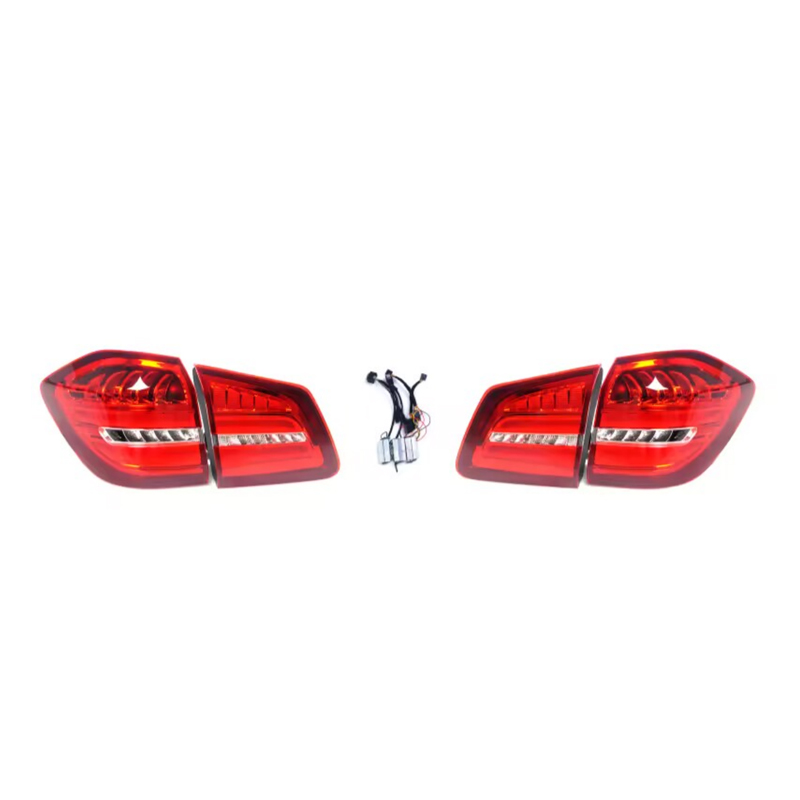
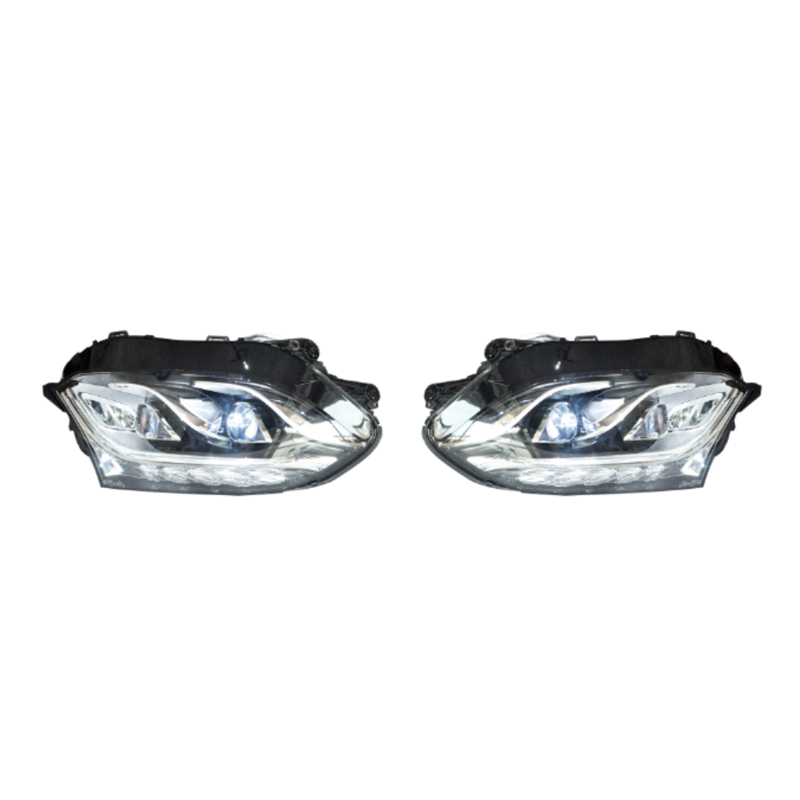

If you are interested in our products, please consult us
No.280, Xincun, DongJia Village, Menghe Town, Xinbei District, Changzhou, Jiangsu, China.
+86-13915098651
+86-18068774710
+86-18068791866
+86-519-68885718
Changzhou Xinkai auto parts Co., Ltd. All Rights Reserved. Custom Automotive Exterior Accessories Manufacturers

 English
 Español
 Deutsch
 日本語
日本語 中文简体
中文简体