


Our team is proud to offer on time guarantee and product guarantee to customer satisfaction.
Read More
Content
For automotive engineers, workshop owners, and aftermarket professionals, selecting a Car Modification Body kit requires more than visual appeal. A poorly chosen kit can disrupt aerodynamics, create installation nightmares, and even compromise vehicle safety. This article delivers an engineer-level analysis of material properties, fitment standards, and structural considerations for bulk buyers and professional installers.
A Car Modification Body kit typically includes front bumpers, rear bumpers, side skirts, and spoilers. However, the market offers varying levels of completeness and complexity. Professionals must distinguish between full conversion kits and component-specific upgrades.
Full kits replace multiple exterior panels simultaneously. These systems require precise alignment with factory mounting points. Component upgrades, such as adding a front lip or rear diffuser, offer a less invasive approach. For workshops handling full-car modification body kit installations, understanding the difference between these two categories directly impacts labor hours and the structural modifications required.

Different driving purposes demand different aerodynamic profiles. Track-focused kits prioritize downforce and cooling, while show kits emphasize visual styling.
The material composition of a Car Modification Body kit determines its durability, weight, and repairability. Engineers evaluate four primary material categories based on specific performance metrics.
Each material offers distinct trade-offs between cost, flexibility, and impact resistance. Fiberglass provides affordability but shatters under stress. Polyurethane offers flexibility but requires professional painting. Carbon fiber delivers the highest strength-to-weight ratio but demands specialized repair techniques.
The following table compares key technical properties of common body kit materials. These specifications help procurement professionals match materials to application requirements.
| Material | Tensile Strength (MPa) | Flexibility | Repair Complexity | Weight per Panel (kg/m²) |
|---|---|---|---|---|
| Fiberglass (FRP) | 200-300 | Low | Medium | 2.5-3.5 |
| Polyurethane (PU) | 25-35 | High | Low | 1.8-2.5 |
| Carbon Fiber | 600-800 | Low | High | 1.2-1.8 |
| ABS Plastic | 40-60 | Medium | Low | 2.0-2.8 |
Engineers must account for the coefficient of thermal expansion (CTE) when selecting a Car Modification Body kit. Dissimilar materials between the kit and the vehicle chassis can cause paint cracking or changes in panel gaps over time. Polyurethane offers CTE values closer to OEM plastics, reducing long-term fitment issues.
Proper fitment determines whether a Car Modification Body kit enhances or detracts from vehicle performance. Professional installers follow specific alignment protocols to ensure structural integrity and aesthetic precision.
Quality kits utilize factory mounting points rather than requiring extensive drilling. The hardware grade matters significantly. Stainless steel fasteners prevent corrosion, while integrated bracket systems distribute load across multiple attachment points.
Before painting, professionals perform dry fitting to identify gaps, interference points, and hardware alignment issues. This process typically involves:
A well-engineered Car Modification Body kit provides measurable aerodynamic benefits. However, poorly designed kits can increase drag or create lift at highway speeds.
Front splitters reduce lift by creating a pressure differential. Side skirts manage airflow along the vehicle flanks. Rear diffusers accelerate underbody airflow, reducing drag. For applications focused on custom car modification body kits for racing, wind tunnel testing data validates these aerodynamic claims.
Bumpers and side skirts often serve as structural elements that absorb low-impact forces. Quality kits maintain crush zones and energy absorption characteristics similar to OEM components. Engineers should verify that the kit does not interfere with crumple zone engineering or airbag sensor placement.
Bulk buyers and workshops should establish quality acceptance criteria for Car Modification Body kit shipments. International standards provide frameworks for evaluating manufacturing consistency.
Surface finish, dimensional accuracy, and material consistency represent primary quality indicators. Professional buyers often request:
Polyurethane offers the highest durability for daily-driven vehicles due to its flexibility and impact resistance. Unlike fiberglass, polyurethane bends rather than cracks under stress. For applications requiring maximum strength-to-weight ratio, carbon fiber with proper engineering layup provides superior structural performance but requires professional repair capabilities.
Request installation documentation from the manufacturer that includes mounting point diagrams and gap specifications. Professional buyers often require sample panels for fitment verification on an actual vehicle before committing to bulk orders. Digital scanning technology now allows manufacturers to validate kit geometry against OEM vehicle data.
The most common challenges include misaligned mounting holes requiring drilling, incompatible sensor locations for parking assistance systems, and clearance issues with aftermarket exhaust or suspension modifications. Proper pre-installation fitment testing and having a comprehensive hardware kit with multiple adjustment options minimize these problems.
Modifications may affect warranty coverage for directly related systems. If a body kit causes sensor malfunction or structural damage, manufacturers may deny claims for those specific components. Professional installers recommend documenting that the kit does not interfere with factory safety systems and using only non-permanent modifications when maintaining warranty protection.

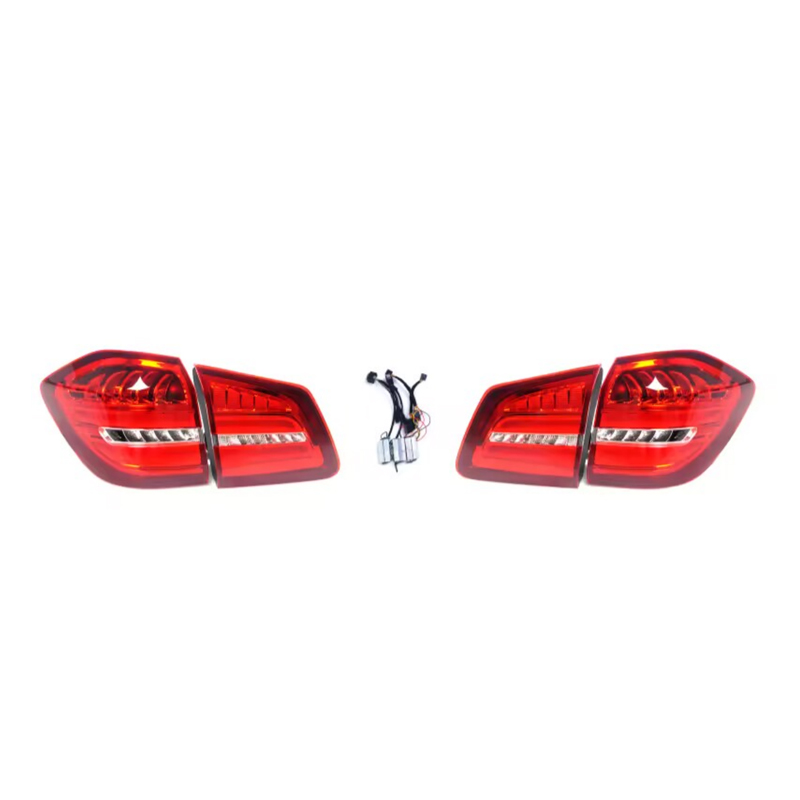
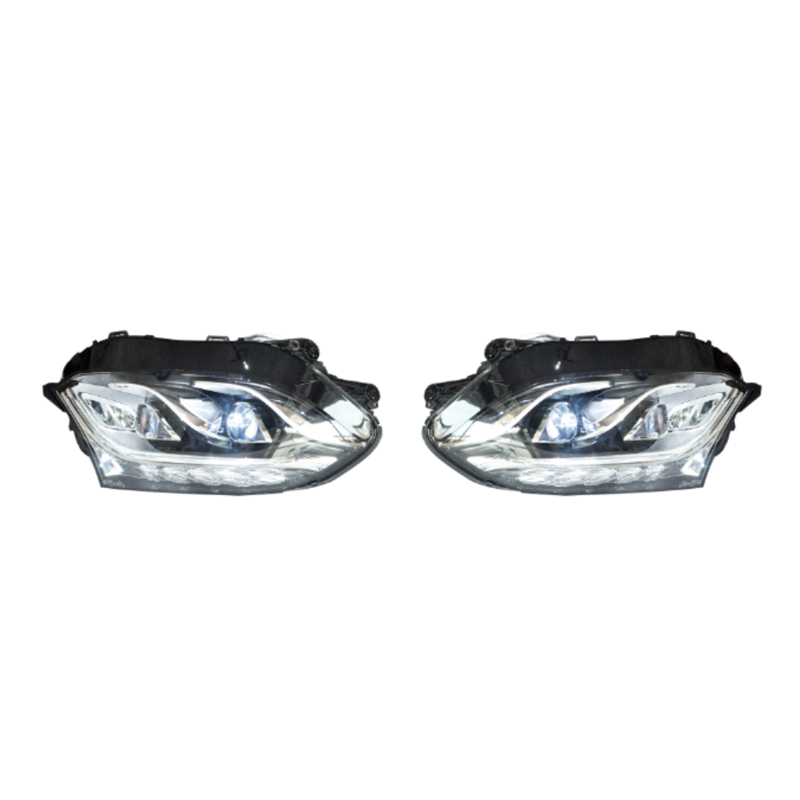

If you are interested in our products, please consult us
No.280, Xincun, DongJia Village, Menghe Town, Xinbei District, Changzhou, Jiangsu, China.
+86-13915098651
+86-18068774710
+86-18068791866
+86-519-68885718
Changzhou Xinkai auto parts Co., Ltd. All Rights Reserved. Custom Automotive Exterior Accessories Manufacturers

 English
 Español
 Deutsch
 日本語
日本語 中文简体
中文简体