 English
 Español
 Deutsch
 日本語
日本語 中文简体
中文简体What Are the Best Automotive Exterior Accessories for Enhancing Vehicle Appearance?
Home / News / Industry News / What Are the Best Automotive Exterior Accessories for Enhancing Vehicle Appearance?



Our team is proud to offer on time guarantee and product guarantee to customer satisfaction.
Read More
Content
For many vehicle owners, their car is more than just a mode of transportation—it's an extension of their personality and style. Investing in the right automotive exterior accessories is one of the most effective ways to elevate your vehicle's aesthetic appeal, protect its surfaces, and even improve its functionality. Whether you're aiming for a sleek, sporty look or a rugged, off-road-ready appearance, the market offers a vast array of options. However, with so many choices, it can be challenging to know where to start and which upgrades offer the best balance of visual impact, durability, and value. This guide will delve deep into the most effective categories of exterior enhancements, moving beyond generic advice to provide specific, actionable insights. We'll focus on practical upgrades that not only boost curb appeal but also address common vehicle owner needs, from protection against the elements to personalizing your ride's unique character. By understanding the purpose and benefits of each accessory type, you can make informed decisions that transform your vehicle's exterior from standard to standout.
When considering impactful automotive exterior accessories, protecting the most prominent and vulnerable panel—the hood—should be a top priority. The hood is constantly exposed to road debris, stone chips, bug splatter, UV rays, and extreme weather, all of which can quickly degrade your paint's finish. A chipped and faded hood significantly detracts from your vehicle's overall appearance. This is where dedicated hood protection accessories come into play, serving a dual purpose of preservation and style enhancement. Beyond the clear paint protection film (PPF), which is an invisible barrier, many owners seek solutions that add a distinct visual element. The key is to select a product that is not only aesthetically pleasing but also engineered to withstand harsh conditions without damaging the underlying paint. Materials range from vinyl and automotive-grade ABS plastic to more premium options like dry carbon fiber overlays. The installation process, whether DIY or professional, also greatly affects the final look and longevity. A well-chosen hood protector acts as a shield, maintaining the pristine condition of your paint while contributing to a more aggressive or customized front-end profile, making it a cornerstone of any exterior upgrade plan.
To help you navigate the choices, the table below contrasts the main types of hood protection accessories based on key factors. This comparison is essential for finding the best car hood protector for rock chips and sun that fits your budget and desired look.
| Feature | Vinyl Wrap/Overlay | Rigid Hood Deflector (Bug Shield) | Paint Protection Film (PPF) |
| Primary Protection | Moderate against UV/sun fade; light scratch resistance. | Excellent against rock chips, bugs, and large debris. | Superior against rock chips, scratches, stains, and UV rays. |
| Visual Change | High – complete change of color/finish. | Moderate – adds a tinted or smoked accent line. | Low – virtually invisible, preserves original paint. |
| DIY Friendliness | Low to Moderate (requires skill, heat gun, squeegee). | High (typically clips or tapes on). | Very Low (professional installation strongly advised). |
| Relative Cost | $$ | $ | $$$ |
| Best For | Owners wanting a major style transformation. | Owners frequently driving on highways or gravel roads. | Owners seeking maximum, undetectable paint preservation. |
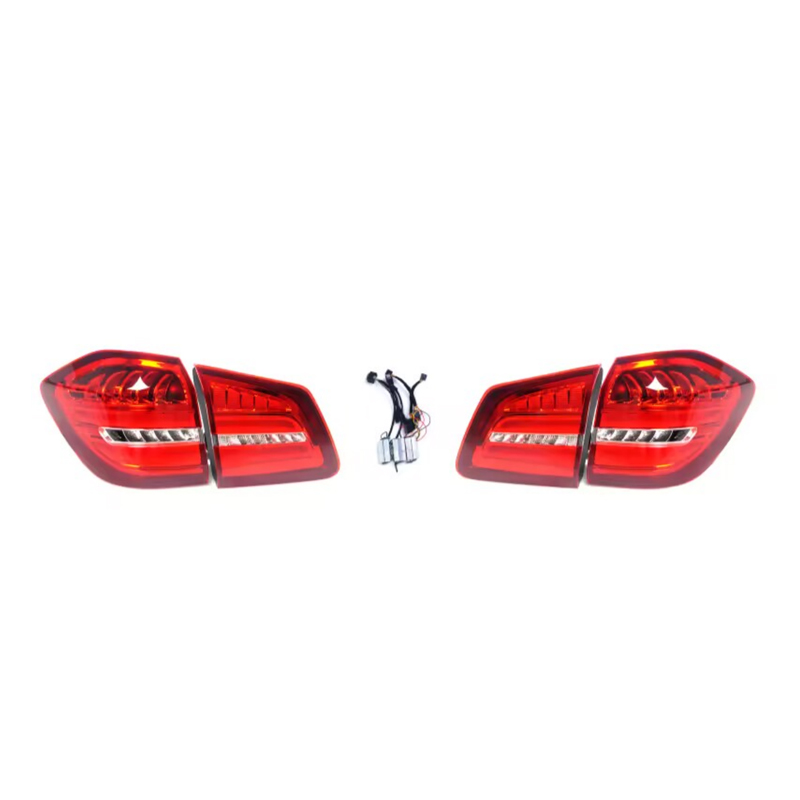
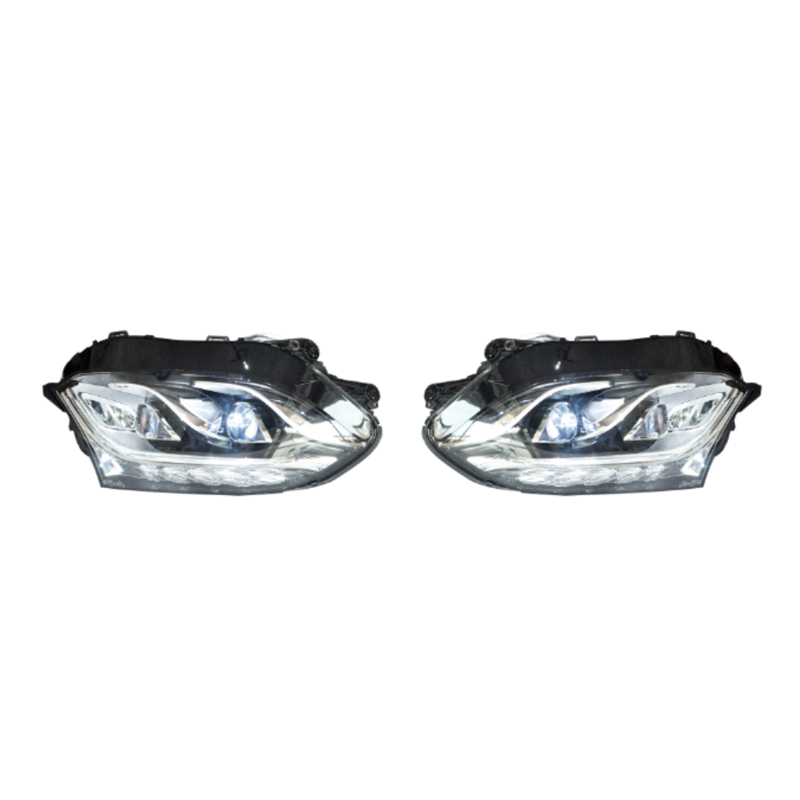
Exterior lighting is a critical safety feature that also presents a tremendous opportunity for aesthetic enhancement. Modern lighting upgrades can dramatically alter the face and personality of your vehicle, providing a more modern, premium, and distinctive look, especially at night. Moving beyond simple bulb replacements, today's automotive exterior accessories in the lighting category include full LED conversion kits, sequential turn signals, and innovative light bars. The goal is to achieve brighter, whiter, and more efficient illumination that improves visibility while also creating a unique signature style. For example, switching from traditional halogen headlights to LED or HID projectors can give your vehicle a cleaner, more upscale appearance and significantly improve light output for safer driving. It's crucial, however, to consider not just the look but also the legality, proper beam pattern, and correct installation to avoid blinding other drivers. Upgraded lighting is one of those modifications that seamlessly blends enhanced functionality with a striking visual upgrade, making your vehicle look newer and more technologically advanced.
For owners of trucks, SUVs, and lifted vehicles, entering and exiting the cabin can be a challenge. Side steps and running boards solve this practical problem while simultaneously enhancing the vehicle's side profile. They break up the large vertical expanse of the body, giving it a more grounded, complete, and rugged appearance. The market offers a wide spectrum, from minimalist, electrically-retractable boards that maintain a clean look when stowed to robust, tubular off-road rock sliders that offer protection against trail obstacles. The choice heavily depends on your vehicle's purpose and your desired style. A polished stainless-steel running board lends a luxury feel to a full-size SUV, while a textured, powder-coated black step is perfect for a work truck or off-roader. Beyond material, consider the step profile—whether it's a wide, flat platform for easy use or a narrow, round tube for a sportier look. This accessory proves that practicality and style are not mutually exclusive in the world of automotive exterior accessories.
The decision often comes down to your primary use case. The following table breaks down the ideal applications for different types of off-road running boards vs street style steps, helping you align your choice with your lifestyle.
| Step Type | Best Vehicle For | Primary Advantage | Style Aesthetic |
| Rock Slider / Hoop Step | Off-road Trucks, Jeeps | Protects rocker panels from trail damage; serves as a functional step. | Ultra-rugged, utilitarian, aggressive. |
| Powered Retractable Board | Full-size SUVs, Luxury Trucks | Maximizes convenience and accessibility; preserves clean lines when not in use. | Modern, high-tech, sleek. |
| Wide Flat Running Board | Family SUVs, Lowered Trucks | Provides the largest, most stable stepping surface for children and elderly passengers. | OEM-plus, practical, streamlined. |
| Round Tube Step | Mid-size Trucks, Sporty SUVs | Offers a good balance of step function and aggressive styling without being bulky. | Sporty, classic truck/SUV look. |
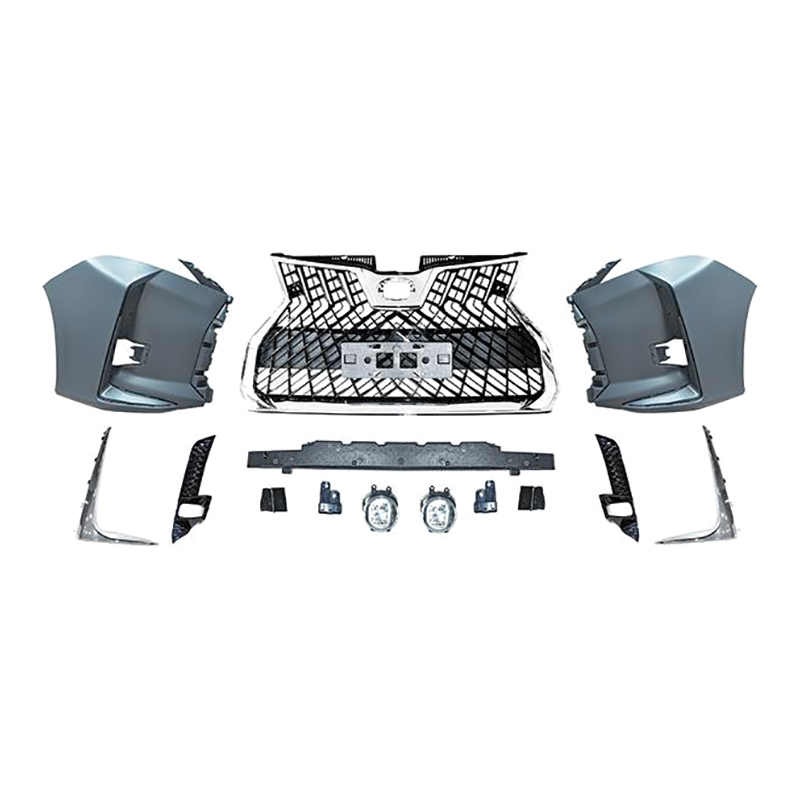
Sometimes, the most impactful changes come from the details. Exterior trim accessories are the finishing touches that can tie an entire look together or add subtle points of interest. This category encompasses a wide range of products designed to highlight or alter specific areas of the vehicle's body. From window surrounds and mirror caps to grille inserts and fender flares, these pieces allow for personalized accents without committing to a major body modification. For instance, adding gloss black or carbon-fiber-look vinyl to window trim can modernize an older vehicle, mimicking the appearance of current high-end models. Similarly, color-matched or contrasting mirror caps can add a touch of individuality. The key with trim accessories is cohesion; they should complement the vehicle's lines and other modifications. Selecting high-quality materials (like ABS plastic with good UV inhibitors or genuine stainless steel) ensures these accents last and don't fade, peel, or look cheap over time, solidifying their role as valuable automotive exterior accessories.
Often overlooked in conversations about aesthetics, wiper blades are a critical safety component that, when upgraded thoughtfully, can also contribute to a cleaner, more maintained appearance. Old, cracked, streaking wiper blades are an eyesore and a hazard. Modern high-performance winter wiper blades and all-season variants are engineered not just for function but also for a sleek, aerodynamic profile that blends seamlessly with your vehicle's windshield and A-pillars. The latest beam blade designs, lacking the external metal frame, provide uniform pressure across the windshield for a cleaner wipe and a more contemporary look. For those in snowy climates, winter-specific blades with a rubber boot covering the frame prevent ice and snow buildup, ensuring reliable operation. Upgrading to a premium set of wipers is a low-cost, high-impact modification. It signals that you pay attention to all aspects of your vehicle's condition, from the flashy exterior down to the essential details that ensure safe driving in poor weather, making them a smart part of any exterior care regimen.
Durability depends on the specific accessory and its exposure. For hood protectors facing direct impact from debris, rigid ABS plastic or polycarbonate deflectors are highly durable and impact-resistant. For a balance of durability and style in wraps, high-quality cast vinyl with UV protective top coats is essential. For side steps and running boards, materials are paramount. Steel, particularly with a high-quality powder-coated finish, offers exceptional strength for off-road use but is heavy. Aluminum is a fantastic middle ground—strong, rust-proof, and lighter than steel, making it ideal for most applications. Stainless steel provides excellent corrosion resistance and a bright finish but can be more expensive. Always check the thickness/gauge of the metal and the quality of welds and mounting hardware, as these are true indicators of long-term durability beyond just the base material.
The answer varies significantly by product type. For rigid hood deflectors (bug shields), most are designed as DIY installations using provided clips and automotive-grade adhesive tapes. The key is meticulous cleaning of the mounting surface with alcohol and ensuring proper alignment before the final press. For vinyl hood wraps or overlays, professional installation is strongly recommended unless you have significant experience. Achieving a bubble-free, seamless application on a large, curved panel requires specific tools (heat guns, squeegees) and technique. For side steps, bolt-on kits that use existing frame mounting points are often within the scope of a competent DIYer with a good socket set and torque wrench. However, kits requiring drilling into the body or involving complex wiring for lighted steps are best left to professionals to avoid costly errors, water leaks, or electrical issues.
This is a critical question with a nuanced answer. Legality varies by region, but a core safety principle is universal: simply replacing a halogen bulb with an LED bulb in a housing designed for halogen is often illegal and unsafe. Halogen housings are designed to reflect and focus light from a filament in a specific location. An LED chip's light emission pattern is different, which typically causes excessive glare and scatter, blinding oncoming traffic and providing poor, uneven illumination for you. The legal and safe approach is to use a complete, DOT/SAE-approved LED projector headlight assembly designed as a unit. Alternatively, if only doing bulbs, ensure you purchase bulbs specifically engineered to mimic the halogen filament position and beam pattern for your vehicle's specific housing. Always check local regulations and prioritize kits that include proper projectors and lenses to ensure a safe, legal, and effective upgrade.
While both attach to the sides of a vehicle, their design philosophy and strength are vastly different. Running boards are primarily designed as a step to aid entry and exit. They are typically made from aluminum, stainless steel, or plastic and mount to the body or frame with brackets. They are not meant to bear the weight of the vehicle. Rock sliders, however, are a core off-road running boards vs street style steps distinction. They are heavy-duty armor, usually constructed from thick-walled steel tubing, and are welded or bolted directly to the vehicle's frame. Their primary purpose is to protect the rocker panels and door sills from damage when sliding over rocks or obstacles on the trail. A quality rock slider can support the entire weight of the vehicle on a jack. Some rock sliders incorporate a step function, but a standard running board should never be used as a jacking point or subjected to serious off-road impacts.
Even the best high-performance winter wiper blades have a limited service life. A general rule is to replace standard rubber blades every 6-12 months, as ozone and UV exposure degrade the rubber. Performance beam blades may last 12-24 months. Don't wait for total failure; look for these key signs: 1) Streaking: Leaving visible, un-wiped lines or smears on the windshield. 2) Chattering/Skipping: The blade jumps or vibrates across the glass instead of gliding smoothly. 3) Poor Contact: Sections of the blade edge don't touch the glass, creating unwiped areas. 4) Visible Damage: Cracked rubber, a bent frame, or metal corrosion. 5) Increased Noise: Squeaking or squealing during operation. For seasonal preparedness, a great practice is to install fresh blades in the late fall before winter arrives, ensuring you have optimal visibility in rain, snow, and sleet.


If you are interested in our products, please consult us
No.280, Xincun, DongJia Village, Menghe Town, Xinbei District, Changzhou, Jiangsu, China.
+86-13915098651
+86-18068774710
+86-18068791866
+86-519-68885718
Changzhou Xinkai auto parts Co., Ltd. All Rights Reserved. Custom Automotive Exterior Accessories Manufacturers
