


Our team is proud to offer on time guarantee and product guarantee to customer satisfaction.
Read More
Content
For adventurers and daily drivers alike, the roof rack is an essential piece of gear, transforming your vehicle's cargo capacity. However, not all roof racks are created equal. The quest for a system that offers strength without the penalty of excessive weight has led to the rise of the lightweight roof rack. This comprehensive guide delves deep into the world of lightweight roof racks, exploring their benefits, key considerations, and how to select the perfect one for your needs. We will explore crucial long-tail keywords like lightweight roof rack for sedans, aluminum roof rack weight capacity, low profile roof rack wind noise, easy to install roof rack kit, and universal cross bars for SUVs to provide you with the detailed information required to make an informed decision.
The primary advantage of a lightweight roof rack is right in the name: reduced weight. But the implications of this simple fact ripple out to affect many aspects of your vehicle's performance and your overall experience. Traditional heavy-duty racks, often made from steel, can add a significant amount of weight to your vehicle's roof even before you load your gear. This can negatively impact fuel efficiency, handling, and even the structural wear on your roof. A lightweight system, typically constructed from advanced aluminum alloys or high-strength polymers, mitigates these issues effectively.
One of the most immediate benefits is improved fuel economy. Every pound added to your vehicle increases the energy required to accelerate and maintain speed. A lightweight roof rack minimizes this parasitic mass, helping you save money at the pump over the long term. Furthermore, a lighter rack places less strain on your vehicle's roof and mounting points, which is a critical consideration for long-term ownership. Handling is also enhanced; a lower center of gravity, achieved by reducing the weight up high, contributes to better stability and cornering, especially when the rack is unloaded. This makes for a safer and more comfortable driving experience, whether you're navigating city streets or winding mountain roads.
The evolution of lightweight roof racks is directly tied to advancements in materials science. Manufacturers have moved away from bulky steel toward alloys that offer a superior strength-to-weight ratio.
The choice of material directly influences the aluminum roof rack weight capacity. While lighter than steel, a well-engineered aluminum rack can often support impressive loads, frequently ranging from 150 to 200 pounds dynamically (while driving) and much more statically (when parked).
A one-size-fits-all approach does not work for roof racks. The ideal system is one that is perfectly matched to your specific vehicle type and intended use. A rack designed for a rugged SUV will not be suitable for a sleek sedan, and vice versa. Understanding your vehicle's roof type—whether it has naked rain gutters, fixed points, or a flush-mounted side rail—is the first and most crucial step in the selection process.
Owners of sedans and coupes often face unique challenges when installing a roof rack. These vehicles typically lack prominent rain gutters and feature a more aerodynamic profile. Fortunately, the market offers specialized solutions. A lightweight roof rack for sedans is designed with these constraints in mind. These systems often use door-clip or fixed-point mounting systems that integrate seamlessly with the vehicle's design without causing damage. The crossbars are usually more low-profile to maintain the car's sleek lines and minimize wind resistance. The key is to find a system that provides the utility you need without compromising the aesthetics and performance of your car.
For SUV and van owners, the requirements are different. These vehicles are designed for utility and often have integrated side rails or fixed mounting points. The goal here is to find strong crossbars that complete the system. This is where universal cross bars for SUVs come into play. The term "universal" can be misleading; it often refers to bars that can be adjusted in length to fit a wide range of factory side rails. When selecting universal bars, it is vital to ensure they clamp securely to your vehicle's specific rails and that the weight rating meets your expectations. A proper fit is essential to prevent movement, noise, and potential damage to the factory rails.
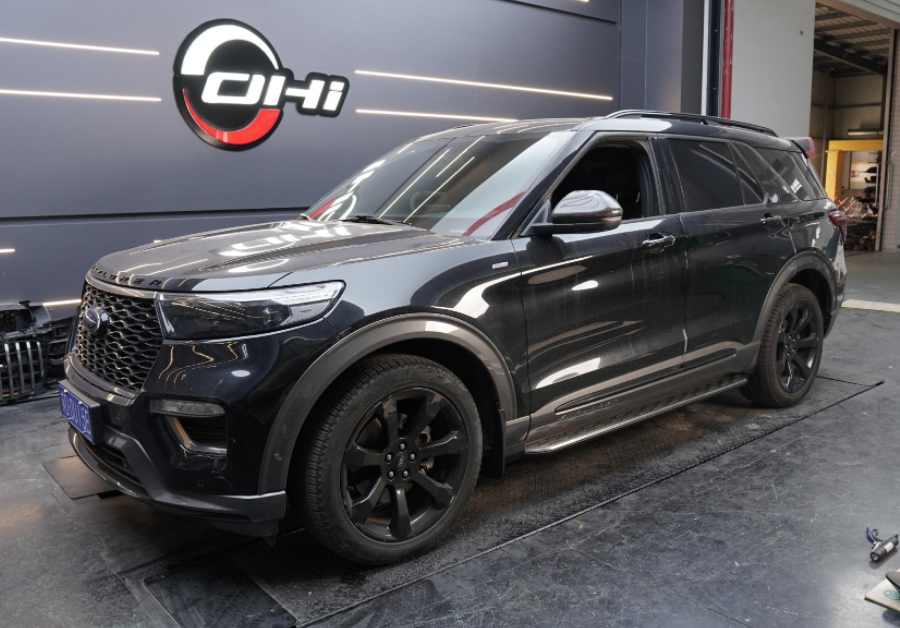
While weight is a primary concern, it should not be the only factor in your decision. A truly great roof rack balances light weight with other critical performance metrics, including capacity, noise, and ease of use.
The aluminum roof rack weight capacity is a non-negotiable specification. It is typically broken down into two categories: dynamic (the weight it can safely hold while the vehicle is in motion) and static (the weight it can hold while the vehicle is parked). It is imperative to never exceed the dynamic weight limit, as doing so can create a serious safety hazard. The vehicle's own roof weight limit, often found in the owner's manual, is the ultimate cap that must be respected. A common misconception is that a lightweight rack is a weak rack. This is not true. Through intelligent engineering and material choice, a lightweight aluminum rack can offer a dynamic capacity that meets or exceeds the needs of most users, comfortably carrying gear like kayaks, bikes, roof boxes, and cargo baskets.
A notorious downside of roof racks is the wind whistle that can develop at highway speeds. This is often caused by the airflow over the circular cross-sections of the bars. A significant advantage of many modern lightweight roof rack designs is their focus on aerodynamics. Many feature teardrop or airfoil-shaped bars that channel air over and around the system smoothly, drastically reducing turbulence and noise. Therefore, investing in a low profile roof rack wind noise reduction design is not just about comfort; it's about enjoying a conversation or music without constant background noise on long trips. This aerodynamic design also contributes to the aforementioned fuel efficiency benefits.
For many, the thought of installing a roof rack is daunting. This is why an easy to install roof rack kit is highly sought after. The best systems are designed with the consumer in mind, featuring tool-free or minimal-tool assembly, clear instructions, and pre-assembled components. Look for features like hand-tightened knobs, simple clamp systems, and adjustable components that can be fitted in a matter of minutes without professional help. An easy installation process not only saves time and money but also allows for quick removal of the rack when it's not in use, further preserving fuel economy and the vehicle's clean appearance.
To truly appreciate the value of a lightweight system, it is helpful to compare it directly with traditional, heavier alternatives. The following analysis breaks down the key differences across several important categories.
The most significant difference lies in the impact on vehicle performance. A traditional steel rack can weigh over 100 pounds by itself, which immediately lowers fuel economy and affects acceleration and braking. In contrast, a lightweight aluminum system can weigh as little as 30-50 pounds, mitigating these negative effects. When considering low profile roof rack wind noise, aerodynamic lightweight racks are the clear winner, while bulky traditional racks are often the main culprits of loud wind howl. However, it is often perceived that traditional racks have a higher weight capacity. While some heavy-duty steel racks are built for extreme loads, for the vast majority of consumer applications, a well-made lightweight rack has a more than sufficient capacity. For instance, the dynamic capacity of many aluminum racks is around 165 lbs, which is enough for most roof boxes, watercraft, and ladders. The installation of an easy to install roof rack kit is typically straightforward for modern lightweight systems, whereas traditional racks can require more complex fitting and multiple tools.
| Feature | Lightweight Roof Rack (Aluminum) | Traditional Heavy-Duty Rack (Steel) |
|---|---|---|
| Average Weight | 30 - 50 lbs | 80 - 120 lbs |
| Impact on Fuel Economy | Minimal to moderate | Significant |
| Wind Noise | Low (with aerodynamic design) | Moderate to High |
| Typical Dynamic Capacity | 150 - 200 lbs | 200 - 300 lbs+ |
| Corrosion Resistance | High (if anodized) | Moderate (requires coating) |
| Ease of Installation | Generally easier and quicker | Often more complex |
A lightweight roof rack is a versatile platform for adventure. Its applications are nearly limitless, catering to a wide range of hobbies and professions. From transporting kayaks and canoes to the lake for a weekend paddle, to securely carrying mountain bikes to the trailhead, the roof rack is the enabler of outdoor fun. It is also indispensable for longer trips, providing the extra space needed for luggage and gear in the form of a rooftop cargo box, or for carrying bulky but light items like Christmas trees.
To ensure your roof rack lasts for years and performs safely, simple maintenance is key. Fortunately, aluminum racks require relatively little upkeep. Periodically check that all mounting points and hardware are secure, as vibrations from driving can occasionally loosen fittings. If the rack is exposed to saltwater or road salt, it is advisable to rinse it with fresh water to prevent corrosion, even on aluminum. Inspect the bars for any signs of damage or stress, especially after carrying heavy loads. For locking mechanisms, a light silicone-based lubricant can keep them operating smoothly. By following these simple steps, your lightweight roof rack for sedans or SUVs will remain a reliable and trusted travel companion for countless journeys to come.

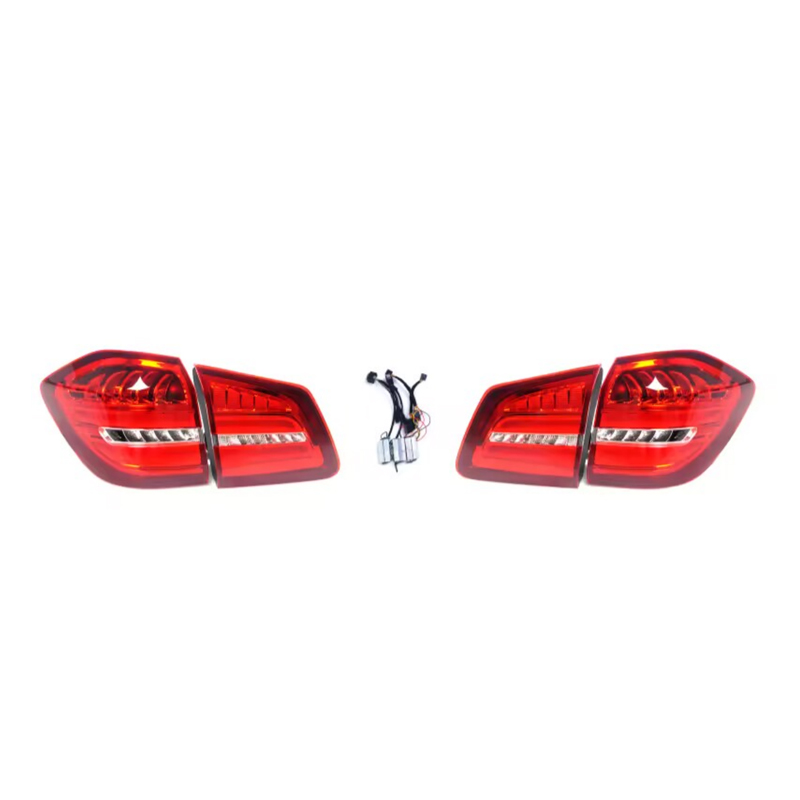
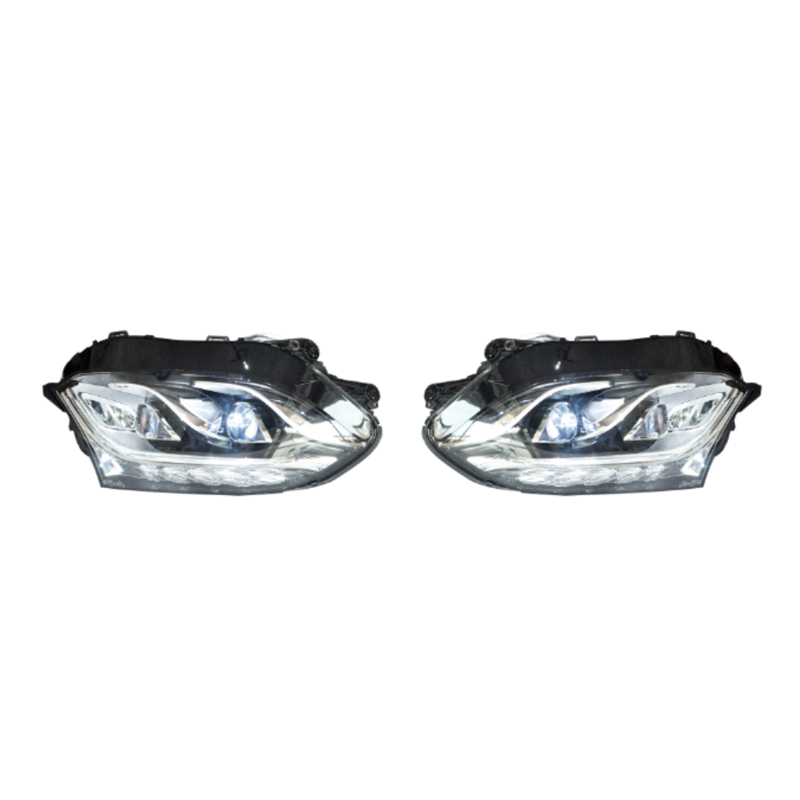

If you are interested in our products, please consult us
No.280, Xincun, DongJia Village, Menghe Town, Xinbei District, Changzhou, Jiangsu, China.
+86-13915098651
+86-18068774710
+86-18068791866
+86-519-68885718
Changzhou Xinkai auto parts Co., Ltd. All Rights Reserved. Custom Automotive Exterior Accessories Manufacturers

 English
 Español
 Deutsch
 日本語
日本語 中文简体
中文简体