


Our team is proud to offer on time guarantee and product guarantee to customer satisfaction.
Read More
Content
Driving at night presents unique challenges that demand optimal visibility. For Mercedes Benz owners, maintaining superior lighting performance isn't just about luxury—it's a critical safety consideration. Factory headlights, while adequate initially, often diminish in performance due to bulb degradation, lens clouding, or simply being outpaced by newer lighting technologies. Upgrading your headlamp system represents one of the most significant improvements you can make to your vehicle's safety profile. Modern headlamp upgrade kits offer substantial benefits over stock lighting systems, including increased brightness, wider illumination patterns, and greater beam distance. These improvements directly translate to enhanced reaction time when encountering unexpected obstacles, animals, or changes in road conditions. Beyond safety, upgraded headlights provide a refreshed, modern appearance for your vehicle, often bringing older models in line with the lighting standards of newer vehicles. Whether you're navigating poorly lit country roads, dealing with adverse weather conditions, or simply want greater confidence during nighttime travel, a headlamp upgrade kit offers a transformative driving experience that addresses both safety and aesthetic concerns.
Selecting the appropriate headlamp upgrade requires careful consideration of several factors to ensure compatibility, performance, and legal compliance. The ideal upgrade path depends on your specific Mercedes model, driving habits, budget, and desired improvement level.
Modern headlamp upgrades primarily utilize three technologies, each with distinct characteristics, advantages, and limitations. Understanding these differences is crucial for making an informed decision that aligns with your driving needs and expectations.
Halogen bulbs represent the most common factory-installed lighting technology, known for their warm color temperature and affordable replacement costs. While they're the most economical option initially, they fall short in longevity and pure light output compared to newer technologies. Halogen upgrades typically involve higher-performance halogen bulbs that offer marginally improved brightness and whiter light while maintaining perfect compatibility with existing housings. These upgrades provide a subtle improvement for drivers seeking a minor enhancement without electrical modifications. However, it's important to note that halogen technology has largely been superseded by more advanced options that deliver substantially better performance.
HID systems, often referred to as xenon lights, revolutionized automotive lighting with their intense brightness and distinctive blue-white illumination. These systems operate by creating an electrical arc between two electrodes within a gas-filled quartz bulb, producing light that is significantly brighter and more efficient than halogen alternatives. HID conversion kits for Mercedes Benz vehicles typically include bulbs, ballasts, and necessary wiring harnesses. The primary advantages of HID technology include exceptional light output, longer lifespan compared to halogens, and superior energy efficiency. However, they require careful installation to ensure proper beam pattern and avoid blinding other drivers. Some higher-end Mercedes models come equipped with factory HID systems, but upgrade kits are available for models that shipped with halogen systems originally.
LED technology represents the current pinnacle of automotive lighting, offering an exceptional balance of performance, efficiency, and longevity. LED conversion kits have gained tremendous popularity due to their plug-and-play installation in many cases, instant illumination, and minimal power draw. Modern LED kits produce brilliant white light that closely mimics daylight, reducing eye strain during extended nighttime driving. They're particularly valued for their extremely long service life—often exceeding the vehicle's lifespan—and resistance to vibration damage. When considering Mercedes benz LED headlight bulb replacement, it's crucial to select kits specifically designed for automotive use with proper heat management systems, as excessive heat remains the primary threat to LED performance and longevity. Many modern LED kits incorporate sophisticated cooling solutions like heatsinks or fans to maintain optimal operating temperatures.
Ensuring compatibility between the upgrade kit and your specific Mercedes model cannot be overstated. Factors to verify include headlamp housing design, electrical system capacity, and physical mounting configurations. Incompatible installations can result in subpar performance, electrical issues, or even damage to vehicle systems.
When evaluating Mercedes Benz headlamp upgrade kits, several critical features separate superior products from mediocre options. Understanding these elements will help you make an informed purchasing decision and avoid potential disappointments.
Proper installation is paramount to achieving the performance and safety benefits of your headlamp upgrade. While specific procedures vary by Mercedes model and kit type, several universal principles apply across most installations.
Before beginning any work, gather all necessary tools and create a clean, organized workspace. Typical requirements include assorted screwdrivers, torx bits (common in Mercedes vehicles), trim removal tools, electrical tape, and possibly a jack and stands if wheel well access is needed. Thoroughly review the installation instructions provided with your kit and consult vehicle-specific resources if available. Disconnect the vehicle's battery before beginning electrical work to prevent short circuits or electrical system damage. During disassembly, take note of fastener locations and consider using a magnetic tray or organized containers to prevent loss. When handling the existing headlamp assemblies or new components, avoid touching bulb glass with bare hands, as skin oils can create hot spots that shorten bulb life.
The installation process typically follows a logical sequence that ensures proper fitment and function. While variations exist between models, the fundamental steps provide a reliable framework for most upgrade projects.
The decision between professional installation and DIY approach depends on your technical comfort, available tools, and project complexity. Professional installation offers expertise and guaranteed results but at significantly higher cost. DIY installation provides cost savings and personal satisfaction but carries risks of improper installation or vehicle damage.
Quantifying the performance improvement from a headlamp upgrade helps justify the investment and demonstrates the tangible safety benefits. The comparison below examines key performance metrics across different upgrade paths for Mercedes Benz vehicles.
The performance differences between standard halogen systems and upgraded lighting solutions are substantial across multiple metrics. Halogen systems typically produce approximately 1,000-1,500 lumens with a yellowish light around 3,000K and have the shortest lifespan at 500-1,000 hours. HID systems represent a significant upgrade, generating 3,000-5,000 lumens with a white-bluish light ranging from 4,000-6,000K and lasting 2,000-5,000 hours. LED technology offers the most advanced performance with 3,000-6,000+ lumens, pure white light at 5,000-6,500K, and exceptional longevity of 30,000-50,000 hours. When considering best HID vs LED for Mercedes benz, it's important to note that while HID systems potentially offer higher maximum lumen output in some configurations, LED systems typically provide more usable light with better beam control, instant-on capability, and significantly longer service life. The performance headlight bulb upgrade Mercedes decision should balance these technical considerations with your specific driving needs, budget, and compatibility requirements.
| Performance Metric | Standard Halogen | HID Upgrade | LED Upgrade |
|---|---|---|---|
| Lumen Output | 1,000-1,500 | 3,000-5,000 | 3,000-6,000+ |
| Color Temperature | ~3,000K (Yellow-White) | 4,000-6,000K (White-Blue) | 5,000-6,500K (Pure White) |
| Lifespan (Hours) | 500-1,000 | 2,000-5,000 | 30,000-50,000 |
| Energy Consumption | 55-65W | 35-42W | 20-30W |
| Warm-Up Time | Instant | 15-30 seconds | Instant |
| Beam Pattern Quality | Fair | Good (with proper housing) | Excellent (with proper housing) |

Proper maintenance ensures your headlamp upgrade continues delivering optimal performance throughout its service life. Modern lighting systems require minimal but specific care practices to maintain their safety benefits and appearance.
Regular cleaning preserves both light output and appearance of your upgraded headlights. Use automotive-specific cleaning products and soft microfiber cloths to avoid scratching lenses. For plastic lenses, periodic application of UV protectant helps prevent yellowing and hazing that can significantly reduce light transmission. When considering Mercedes aftermarket headlight housing options, note that some aftermarket housings may use different plastics that require specific care products. For severe oxidation, specialized headlight restoration kits can restore clarity to clouded lenses. During washing, avoid high-pressure sprays directly on headlamp seals to prevent moisture intrusion. In winter climates, gently remove ice and snow rather than using scrapers directly on lenses to prevent scratches.
Regularly verify your headlights' performance through simple observational checks. Park your vehicle on level ground facing a wall or garage door at night to inspect beam pattern, height, and focus. Asymmetric lighting, dark spots, or significant color differences between sides may indicate issues requiring attention. Monitor for condensation inside housings, which can signal seal failure needing prompt attention to prevent electrical damage. For systems with multiple lighting elements, periodically verify that all functions operate correctly, including low beams, high beams, daytime running lights, and turn signals where integrated.
Even quality upgrade kits may occasionally experience issues that require troubleshooting. Common problems and their potential solutions include flickering lights (often indicating connection issues or incompatible components), reduced output (possibly from power supply degradation or lens clouding), and error messages (frequently related to canbus compatibility). Understanding these potential issues helps identify solutions before they compromise nighttime visibility. For advanced electrical issues, consulting with automotive electrical specialists familiar with Mercedes systems may be necessary to preserve vehicle functionality.
Headlamp modifications involve important legal and safety considerations that vary by jurisdiction. Understanding these requirements helps ensure your upgrade remains compliant while maximizing safety benefits.
Vehicle lighting regulations establish standards for brightness, color, beam pattern, and installation methods. These regulations exist at both federal and state/provincial levels, creating a complex compliance landscape. Most jurisdictions prohibit certain colors (particularly blue and red) for forward-facing lights and establish maximum brightness limits. Beam pattern requirements typically mandate a specific light distribution that illuminates the road without blinding incoming drivers. When selecting a DOT approved headlamp assembly Mercedes, verification of compliance markings provides assurance of meeting basic regulatory standards. However, approval of complete assemblies doesn't necessarily extend to aftermarket conversion kits using those assemblies, creating a regulatory gray area in some cases. Responsible upgrades prioritize safety and compliance through proper aiming, appropriate color temperature selection, and beam pattern verification.
Beyond legal compliance, upgraded headlights carry important safety responsibilities. Properly installed and aimed headlights significantly enhance driver visibility without compromising the safety of other road users. Conversely, poorly installed or aimed systems can create dangerous glare situations for incoming drivers, actually reducing overall road safety. The dramatically increased output of modern HID and LED systems makes proper aiming critically important. Additionally, consider how your upgraded lights perform in adverse conditions like fog or heavy rain, where certain color temperatures may create more glare than illumination. Responsible headlight upgrades balance improved personal visibility with consideration for all road users' safety.

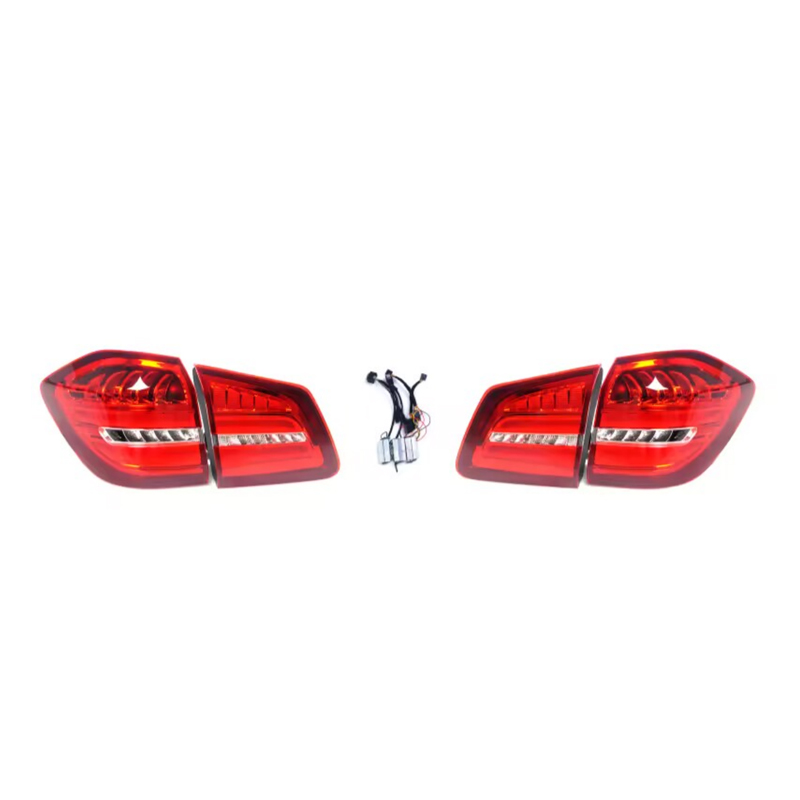
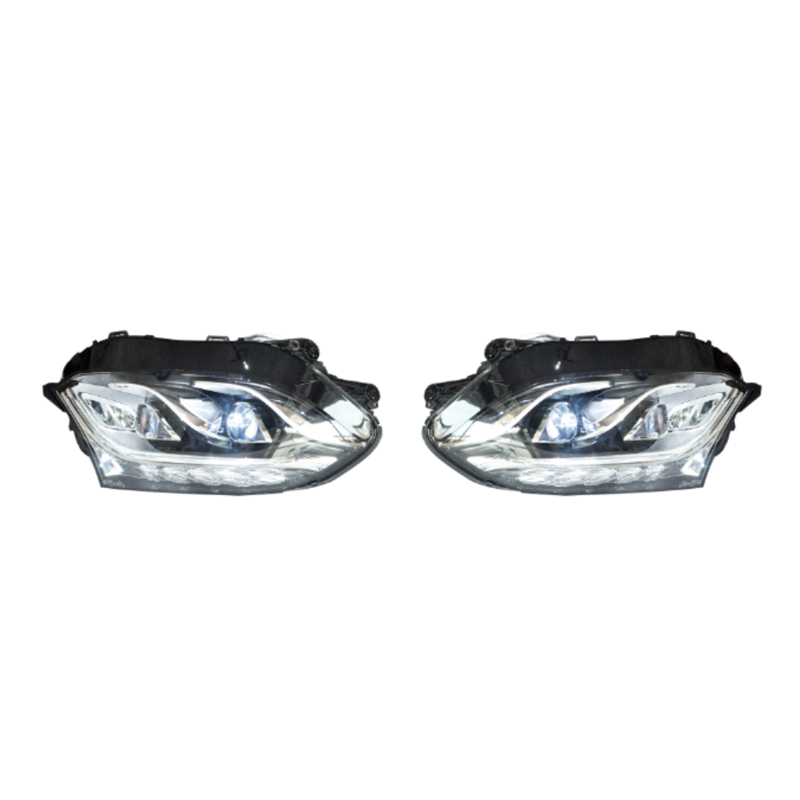

If you are interested in our products, please consult us
No.280, Xincun, DongJia Village, Menghe Town, Xinbei District, Changzhou, Jiangsu, China.
+86-13915098651
+86-18068774710
+86-18068791866
+86-519-68885718
Changzhou Xinkai auto parts Co., Ltd. All Rights Reserved. Custom Automotive Exterior Accessories Manufacturers

 English
 Español
 Deutsch
 日本語
日本語 中文简体
中文简体