


Our team is proud to offer on time guarantee and product guarantee to customer satisfaction.
Read More
Content
The auto tail lamp is one of the most safety-critical exterior lighting components on any road vehicle. It performs multiple signaling functions simultaneously, must meet stringent international regulations, and faces continuous demand from both OEM assembly lines and the aftermarket replacement sector. For wholesale buyers, distributors, and procurement engineers, understanding the technical and regulatory landscape is essential before placing a bulk order. This article provides a structured technical overview covering materials, technology types, wiring standards, compliance requirements, and supplier evaluation criteria.
An auto tail lamp is a rear-mounted lighting assembly that serves four distinct signaling roles: tail light (position light), brake light, turn signal, and reverse light. In some assemblies, a rear fog light is integrated as a fifth function. These roles are governed by national and international standards that specify minimum luminous intensity, activation conditions, and color requirements for each function.
Each light function within the assembly operates independently and must meet separate photometric thresholds. The tail light function requires a steady red output visible from a defined distance. The brake light must activate within a specified response time when braking force is applied. The turn signal must flash at a rate between 60 and 120 cycles per minute. These parameters are not suggestions — they are mandatory compliance thresholds in most markets worldwide.
The outer lens of a tail lamp assembly directly affects optical performance, UV resistance, impact resistance, and manufacturing cost. Polycarbonate (PC) has largely replaced acrylic (PMMA) in modern production, but both materials remain in active use across different vehicle segments and price tiers. The table below compares the most relevant properties for procurement decisions.
| Property | Polycarbonate (PC) | Acrylic (PMMA) | Glass |
|---|---|---|---|
| Impact resistance | Very high | Moderate | Low |
| UV stability (uncoated) | Poor (requires hard coat) | Good | Excellent |
| Optical clarity | High | Very high | Very high |
| Weight | Light | Light | Heavy |
| Design flexibility | Very high (injection moldable) | High | Low |
| Relative cost | Medium | Low–Medium | High |
| Primary application | Passenger cars, SUVs | Economy vehicles, aftermarket | Legacy and commercial vehicles |
Polycarbonate lenses require a UV-resistant hard coat (typically applied via flow or spray coating) to prevent yellowing over the product's service life. Buyers should request UV aging test data — typically conducted per ISO 4892-2 — before approving a PC lens for volume production.
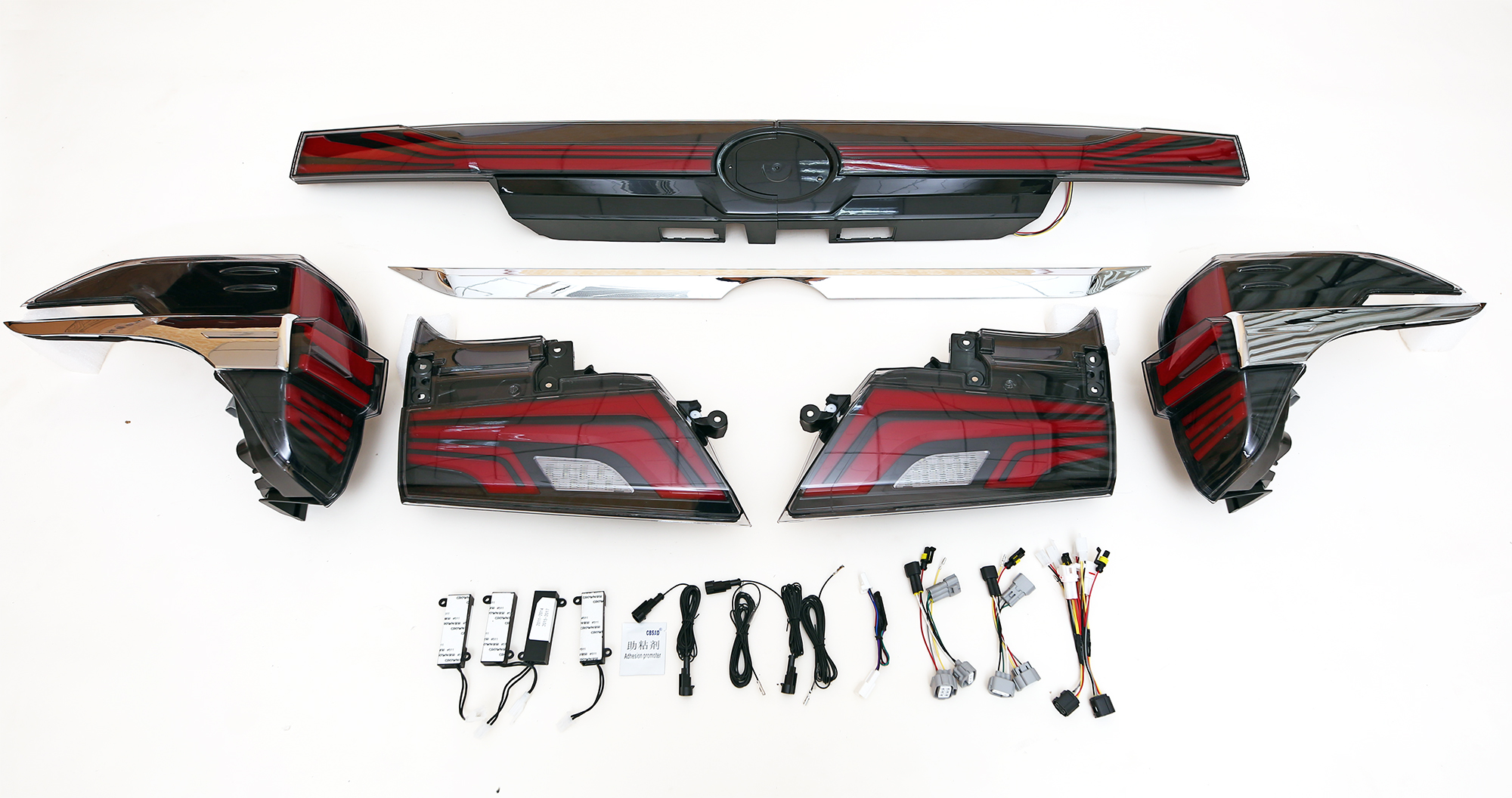
Beyond the base material, lens design also determines light distribution. Clear lenses rely on internal optics and reflector geometry to shape the beam pattern. Red-tinted lenses use colorant embedded in the resin. Inner optical elements — including step optics, total internal reflection (TIR) guides, and diffuser films — further control light spread. Buyers sourcing the auto tail lamp lens types and materials that best match their product category should request photometric simulation data from suppliers alongside physical samples.
Light source technology determines energy consumption, lifespan, design latitude, and total cost of ownership. The three primary technologies used in modern tail lamp assemblies differ significantly across these dimensions. Wholesale buyers evaluating an LED auto tail lamp replacement guide for their product lineup need to understand both the performance advantages and the supply chain implications of each technology.
| Parameter | LED | Halogen Bulb | OLED Panel |
|---|---|---|---|
| Typical lifespan (hours) | 30,000–50,000 | 500–1,000 | 10,000–25,000 |
| Energy consumption | Low (2–5 W per function) | High (21 W per bulb) | Very low (1–3 W) |
| Response time | Under 1 ms | Approx. 200 ms | Under 1 ms |
| Design flexibility | High | Low | Very high (surface emission) |
| Cost per unit | Medium | Low | High |
| Heat management | Requires heatsink design | Minimal management needed | Minimal heat output |
| Market penetration (2024) | Dominant in new production | Declining, aftermarket only | Premium segment only |
LED technology dominates current OEM and aftermarket production due to its combination of long service life, fast activation response, and design flexibility. The faster response time — under 1 millisecond versus approximately 200 milliseconds for halogen — provides a measurable safety advantage by giving following drivers additional reaction distance at highway speeds.
When replacing halogen-based assemblies with LED units, buyers must verify load compatibility with the vehicle's body control module (BCM). Halogen circuits expect a resistive load of approximately 21 watts per turn signal circuit. LED replacements drawing significantly less power can trigger a "bulb out" fault or abnormal flash rate. Resistor kits or BCM-compatible LED drivers are required to resolve this. Any LED auto tail lamp replacement guide provided to end customers should address this point explicitly.
A standard auto tail lamp wiring diagram and installation involves a multi-pin connector carrying separate circuits for each light function. Common configurations use 4-pin or 7-pin connectors for trailer-compatible assemblies, while passenger car assemblies typically use 3-pin to 6-pin connectors depending on function count. Wire gauge selection must match the current draw of each function. LED-based assemblies draw lower current but still require shielded wire routing near high-frequency electronics to prevent electromagnetic interference (EMI) with the vehicle's CAN bus network.
Installation best practices for wholesale buyers to communicate to end users include:
Compliance with auto tail lamp regulatory compliance standards is a non-negotiable requirement for market entry. Different regions maintain separate but often overlapping regulatory frameworks. The table below summarizes the primary standards applicable to tail lamp assemblies in major markets.
| Market | Primary Standard | Governing Body | Key Scope |
|---|---|---|---|
| European Union | UN ECE Regulation No. 7 (position lamps), No. 6 (direction indicators) | UNECE WP.29 | Photometric performance, color, activation |
| United States | FMVSS 108 | NHTSA | Minimum luminous intensity, visibility angles |
| China | GB 11554, GB 4785 | MIIT / CNCA | Photometric thresholds, installation positions |
| Japan | TRIAS standards (based on UNECE) | MLIT | Aligned with ECE with domestic amendments |
| Global (type approval) | UN Regulation No. 148 (consolidated) | UNECE WP.29 | Unified framework for all lamp categories |
Buyers sourcing for multiple markets should prioritize suppliers who hold UN ECE type approval certificates, as these are increasingly accepted as a baseline by regulators in non-EU markets. FMVSS 108 compliance requires separate documentation and testing conducted at a recognized US-market test laboratory.
Evaluating auto tail lamp assembly wholesale suppliers requires systematic review across technical, regulatory, and commercial dimensions. The following checklist reflects standard procurement due diligence for automotive exterior lighting:
The auto tail lamp refers to the complete rear lighting assembly, which includes multiple functions. The tail light (position light) illuminates at low intensity whenever the vehicle's lights are on. The brake light is a separate circuit within the same assembly that activates at higher intensity when the brake pedal is depressed. Both are housed together but operate independently on different electrical circuits and must meet separate photometric standards.
A correct LED auto tail lamp replacement must match the original assembly in three dimensions: physical fitment (mounting points, housing geometry, and connector pinout), electrical compatibility (load characteristics compatible with the vehicle's BCM), and optical compliance (photometric output meeting the applicable regional standard). Buyers should source replacement units with documented type approval and verify load compatibility before distributing to end users, particularly for vehicles with electronic flash rate monitoring.
The industry-accepted minimum ingress protection rating for automotive tail lamp assemblies is IP67, which indicates full dust protection and the ability to withstand temporary water immersion to 1 meter for up to 30 minutes. Some heavy-duty and off-road applications require IP69K, which adds resistance to high-pressure water jet cleaning. Buyers should specify the required IP rating as part of the procurement specification and request sealed test reports, not just declarations.
For export to multiple markets, UN ECE type approval — specifically UN Regulation No. 148 for the consolidated lamp standard — provides the broadest regulatory coverage. This certification is accepted in the European Union, many Asian markets, and a growing number of Latin American jurisdictions. For the United States market, separate FMVSS 108 compliance testing is mandatory and cannot be substituted by ECE certification. Buyers should confirm which standards apply to their target markets before finalizing supplier qualification.

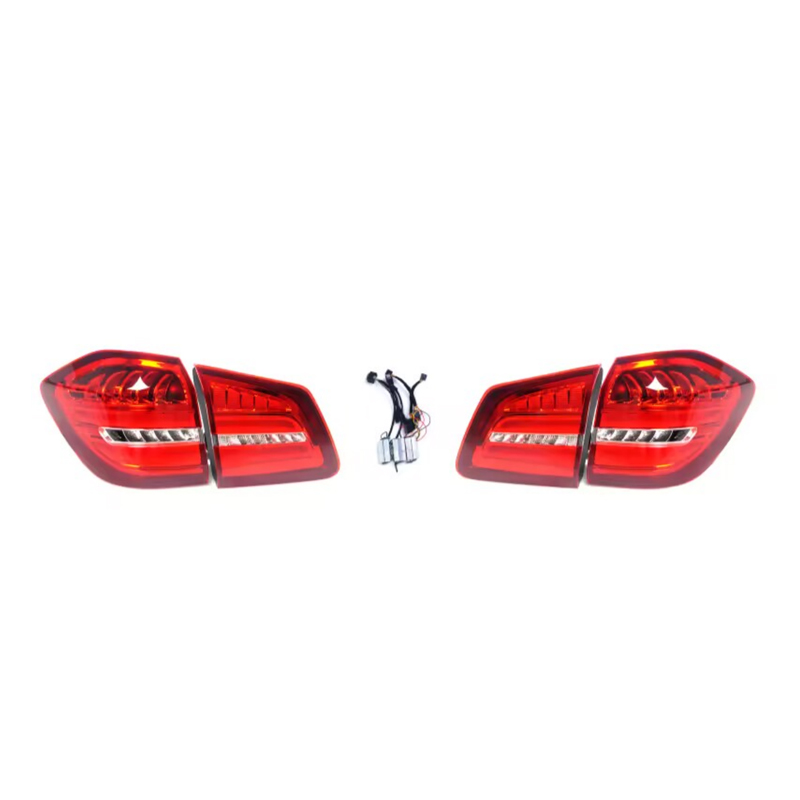
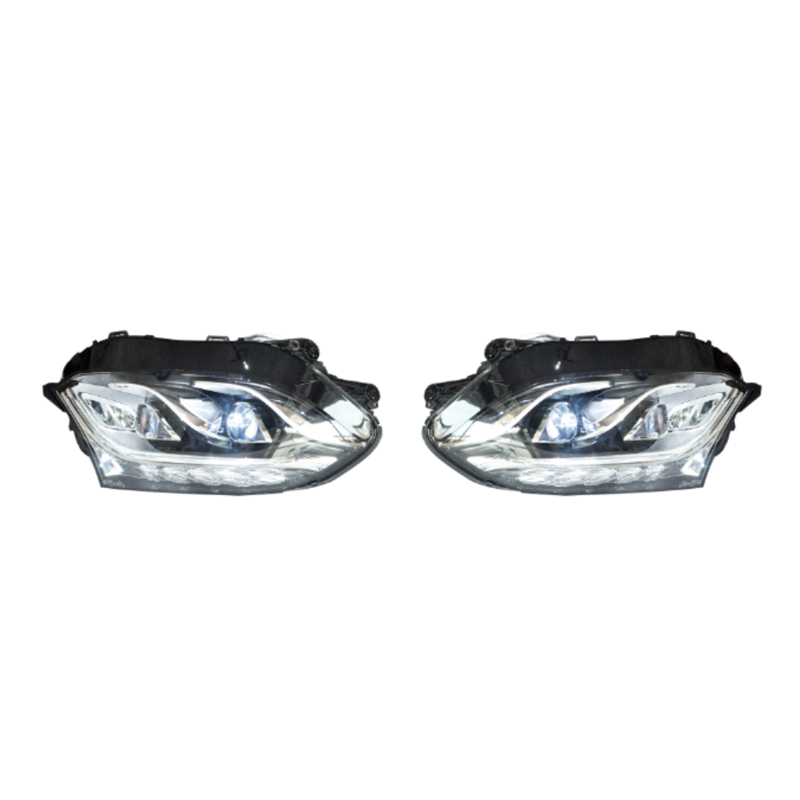

If you are interested in our products, please consult us
No.280, Xincun, DongJia Village, Menghe Town, Xinbei District, Changzhou, Jiangsu, China.
+86-13915098651
+86-18068774710
+86-18068791866
+86-519-68885718
Changzhou Xinkai auto parts Co., Ltd. All Rights Reserved. Custom Automotive Exterior Accessories Manufacturers

 English
 Español
 Deutsch
 日本語
日本語 中文简体
中文简体